
-
1180 Ave of the Americas, 8th Floor
New York, NY 10036 - (212) 545-1280
- requests@retensa.com
- Mon - Fri | 8:30 AM - 6:00 PM ET
Employee Retention Blog
Why 59% of Veterinary Hospitals say Retaining Top Talent is their biggest challenge…and over 50% fail at it.

A Vet Tech calls out for the rest of the week. A Veterinarian cuts back hours. It feels like the decision happened overnight. The questions come quickly: What changed? Why now? How will we fill those appointment slots?
Then they quit.
But no resignation started the moment they resign.
Turnover intention builds slowly. It starts earlier. Small gaps show up. Often in ways that are easy to miss. Expectations shift. Friction builds.
DVM’s don’t wake up on Tuesday and quit.
For nearly half of doctor resignations, the decision started 6 months prior or more. Veterinary hospitals see this pattern at scale. 30-40% of Veterinarians report “high levels” of burnout. Over half report higher levels of exhaustion than the general population.
Organizations struggle to solve retention when they treat it as a hiring issue. Or a disconnect in pay. It’s not. By the time burnout appears, pressure was building inside the system for months.
Why do veterinarians join?
Many Vets and Vet Techs join a practice for practical reasons. Compensation and work flexibility lead as those determining factors.
Early in their careers, compensation and schedule flexibility matter. Average DVM debt for all new graduates reached $174,484 in 2025, up from $153,972 in 2022. For new graduates, income almost always comes first.
Within 10 days from start, workplace expectations form. Vets walk into the clinic asking, “What will today look like? Are we overbooked? Are there work-ins or squeeze-ins? Will flow get backed up?” Those questions point to deeper concerns. What they are really asking…
“How long will the team hang on?”
(and)
“Is this workload manageable?”
Hiring teams rarely ask about daily expectations during the hiring process. They evaluate skills and experience in detail, but often assume long-term fit rather than verify it.
That creates risk. When leaders leave expectations vague at hire, misalignment can take root early, even with high-performers.
Why do veterinarians stay?
Vets, Vet Techs, Office Managers, stay when the daily experience matches the promise of the role.
Compensation gets people in the door, but it doesn’t keep them after comprising their values. The veterinary workforce leads “heart-first”. They stay when leaders protect workable schedules. They value using the full team well and showing appreciation for it. With clear communication of change, and clinician control over pace, case flow, and standard of care, they can turn the rooms.
Heavy workloads are navigable when coworkers become family. As demand outpaces capacity, leadership decisions start to shape how the work actually feels. When hospitals manage employee feedback well, DVM’s absorb difficult days without treating every shift as a warning sign. When leaders ignore data signals of discontent, the pressure feels normalized.
Vet Tech utilization also shapes intention to stay. Credentialed Veterinary Technicians want hospitals to use their training. When hospitals underutilize Techs, doctors do more Tech work, Techs lose growth opportunities, and the whole care team feels the drag.
Strong hospitals notice that connection. They protect staffing ratios, monitor schedule utilization, and keep doctors focused on doctor-level work. Those choices help teams move through busy days without turning every full schedule into a burnout trigger.
This is why long-term retention depends on more than pay. Vets and Vet Techs stay when the hospital gives them a sustainable operating model… not just a hot job offer. Savvy Vet Tech’s today ask… “Why did the last one quit?”.
Why do veterinarians quit?
Veterinary medicine is demanding. Since 2020, the shape of that demand shifted. Fill rates increase while tech utilization decreases. Teams face more emotional stress. Leaders shift RPA expectations without explaining what changed.
For Vet Techs, this change shows up as sustained overload or lack of utilization. For Vets, it can show up as loss of control over schedule, pace, production pressure, or clinical decision-making. These cases are not isolated.
3 out of 4 veterinary practices report staffing shortages
Many hospitals now treat Vet Tech turnover as routine rather than as an early warning sign.
At the same time, rising costs and client price sensitivity add pressure to clinical decisions. U.S. spending grew dramatically after 2020. The American Pet Products Association (APPA) estimates national pet care spending at over $158 billion annually. Pet owners face a 40% increase in costs since 2020. With this, hospital teams must present estimates, manage pushback, and balance standard of care with what clients can afford.
Financial limitations influence 66% of euthanasia cases. Economic euthanasia slowly became the norm for many pet owners. Over time, the tension this creates on DVMs can turn difficult cases into repeated ethical strain.
As shortages increase, one approach is to raise pay. Some try to increase coverage, hire relief staff, or ask teams to “hold on” while conditions stabilize. Those actions help, but leaders often act too late. At this point, turnover drivers are well past a single factor. It is the result of multiple pressures interacting past the breaking point. Emotional strain, staffing gaps, and financial expectations begin to reinforce each other.
At this stage, burnout becomes visible. But burnout is not where the problem started. It is where the system reveals its edges.
What is the underlying problem at Veterinary systems with turnover?
With the right tools, turnover patterns are predictable. However, most hospitals struggle to detect them early enough to intervene. Hiring decisions shape expectations, which influence how Vets and Vet Techs experience work each day. That experience, in turn, determines motivation to stay.
Rising costs change what treatments clients approve, and those choices affect clinical decisions. Repeated estimate conversations, declined diagnostics, and price-sensitive care plans add emotional weight to the work.
As turnover builds, the system weakens. Vet’s take on work that Vet Tech’s would normally cover, reinforcing the cycle of burnout. If there is a structured employee insight program (new hire surveys, stay interviews, 360 Degree feedback, etc…), responses are ignored.
Then issues compound. Practices struggle to solve them with isolated fixes. New pay-for-performance models scream “out-of-touch”.
Bonuses do not repair broken workflows, poor Tech utilization, changing goalposts, or an unmanageable workload
Turnover begets turnover because the people who stay face a systemic operational swamp rather than a few isolated employee concerns.
It does not have to be this way
By the time veterinary leadership starts thinking about retention, someone is already halfway out the door. Retention starts well before DVM’s or Vet Tech’s leave. It begins with daily work standards and the way hospital leadership responds when deviating from them.
The difference between stable teams and a high-turnover clinic is rarely one big issue. It is a series of small ones that either reinforce the strained system or visibly work to improve it.
Without a clear way to track and respond to employee opinion, most organizations react instead of adjusting in real time. It’s easy to call retention an HR issue. In reality, it reaches deeply into the culture and daily practices of a veterinary hospital.
What comes next?
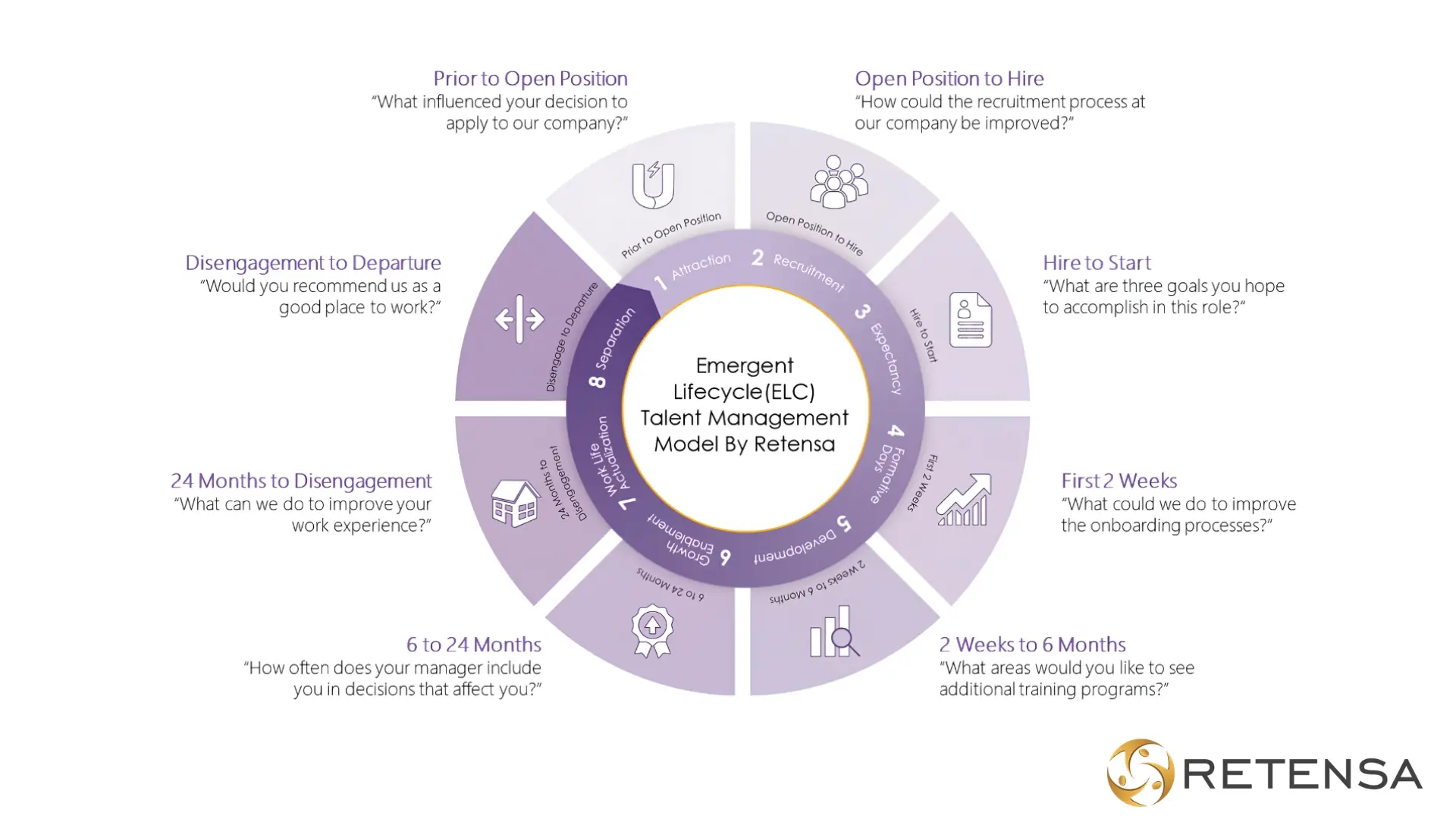
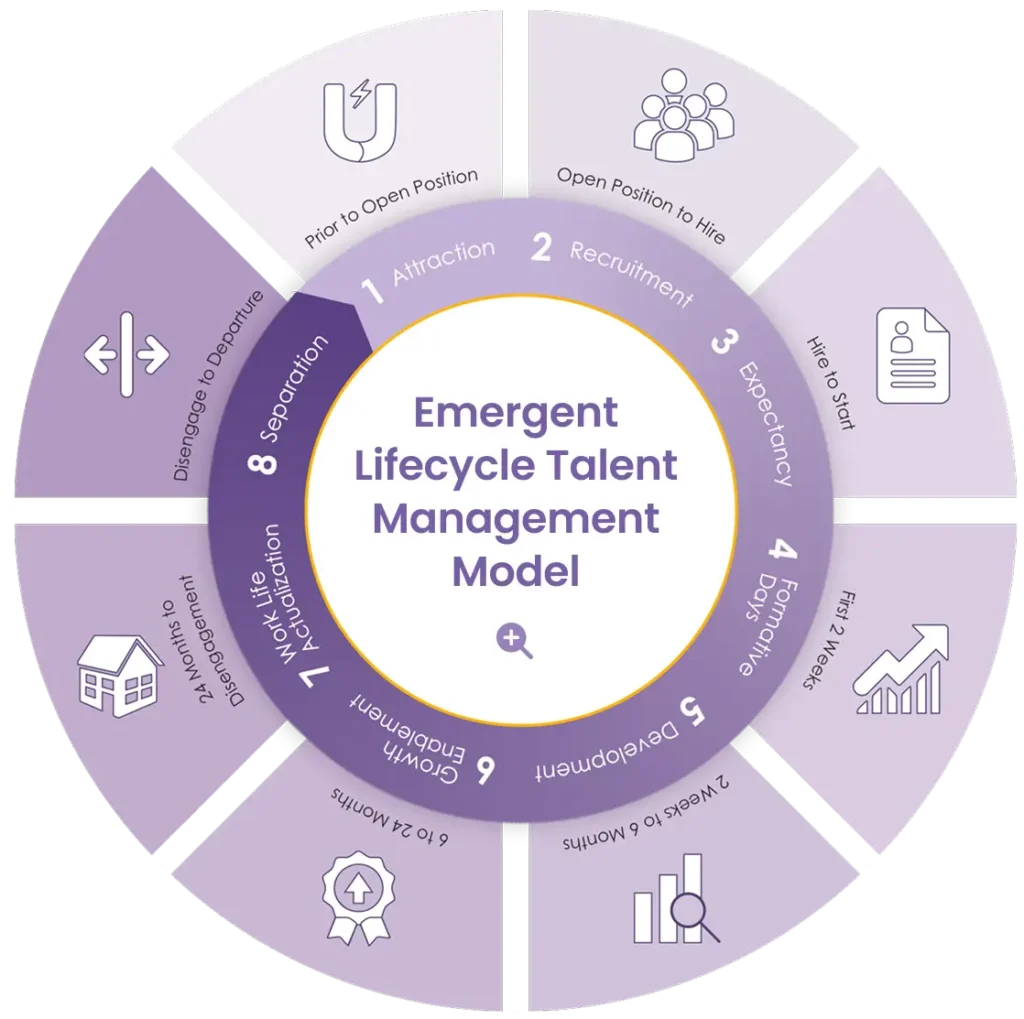
Understanding why Vets and Vet Techs join, stay, and leave is a critical first step. Tools like TalentPulse are cornerstones to capture intention signals across the employee lifecycle. Once the data reveals the insights hidden in a workforce, the next question is what can be done about it. The value is answering…
What do high-performing veterinary hospitals do differently?
How do they identify prediction patterns that turn into turnover?
Why do some teams stay stable under the same industry pressure?
Those answers sit in how organizations measure, manage, and build retention into the culture.
Ready to Reduce Turnover? Let’s Talk!
Every day you wait, turnover costs increase. Get a free retention strategy consultation today.
.