
-
1180 Ave of the Americas, 8th Floor
New York, NY 10036 - (212) 545-1280
- requests@retensa.com
- Mon - Fri | 8:30 AM - 6:00 PM ET
Employee Retention Blog
What Does it Take to Retain DVMs and Vet Techs Today?
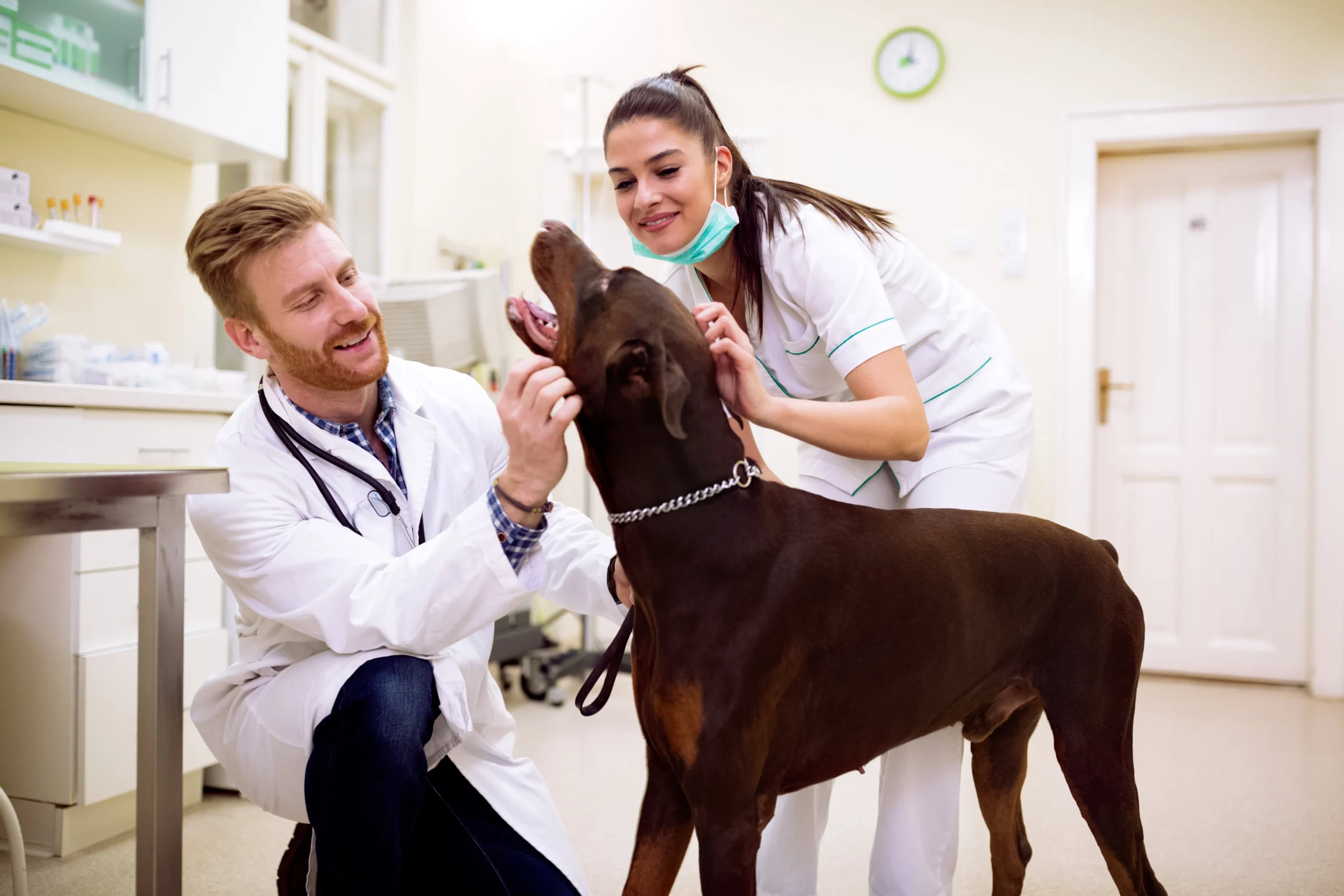
Veterinary hospitals feel every resignation. One departure means months of increased strain on the DVMs and Vet Techs that stay. And the impact is expensive.
Replacing a veterinary employee costs 50% to 200% their salary. Associate DVM positions can remain vacant for more than a year. Veterinary Technician can take nearly as long to replace. Many hospitals are reactive. They respond by focusing on recruiting. That helps fill vacancies, but doesn’t address the reason separation’s root causes.
High-retention hospitals approach the problem differently. They recognize that retention is not simply an HR issue. Retaining high-performers means identifying the conditions that lead to turnover before employees decide to leave.
So what do those hospitals do differently?
How do they retain DVMs and Veterinary Technicians while others struggle with constant turnover?
The answer is in:
- What they measure
- What they monitor
- How they intervene before a resignation appears
What to do #1: Measure Retention Before Turnover Appears
Every hospital measures turnover. But turnover only indicates when people leave. After they’re gone.
A Tech accepts a “better opportunity”. A Doc submits a respectful letter of notice. Leadership reviews the resignation, discusses what happened, and starts rebuilding coverage. But veterinary employees don’t quit the day they hand in their notice. They had a foot out the door months before that.
The DVM that quits considered a new job for 3 to 6 months. The Vet Tech has felt under-utilized since they started. Pressure builds from staffing shortages that last longer than expected. What started as a busy month just became the new normal. And it was too much.
These signals don’t show up in traditional operating metrics. But the people behind the numbers already feel overwhelmed.
That’s why early detection matters. In voluntary departures, 42% report that their organization could have done something to prevent the resignation. Leaders need a way to hear those signals before the employee makes the decision to leave.
Strong hospitals measure retention risk before employees start looking elsewhere. They listen for early signals through feedback loops. They track changes in workload perception, manager trust, and intent to stay before they appear as feedback on an Exit Interview.
Because for every one DVM or Vet Tech that quits, there’s another already on their way out.
The real advantage comes from identifying turnover signals while there is still time to change the outcome.
Why it Matters: Different Roles Leave for Different Reasons
A common retention mistake is viewing Veterinary employees as one population. That does not work.
DVMs and Vet Techs and support teams work in the same rooms but experience their job completely different. DVMs prioritize clinical autonomy, schedule control, work-life balance, and confidence in leadership. Veterinary Technicians focus on career growth, recognition, skill utilization, and workload management. Office Managers want respect and involvement.
That distinction matters. The seed of Turnover sprouts when the role no longer matches the expectations. A fully booked schedule hits one pressure point. A backed-up treatment area hits another.
When hospitals miss nuanced variations among staff, they enact hospital-wide programs instead of targeted initiatives. Generic “solutions” overlook role-specific frustrations that were building for months (or years). A Vet Tech who wants more growth does not stay because everyone is busy. A Veterinarian frustrated by loss of clinical autonomy doesn’t hang around if you pay them more.
Strong hospitals recognize that retention drivers are different across the organization. They separate DVM and Technician feedback. They look at workload, schedule control, growth opportunities, and utilization differently by role. Most importantly, they avoid treating the workforce as a single group when the daily experience is otherwise.
What to do #2: Manage Workload, Not Just Headcount
When turnover increases, most hospitals focus on staffing.
That makes sense. Open positions create pressure. A Technician leaves and appointment flow slows down. A DVM quits and schedules get redistributed. The hiring team starts recruiting immediately because there is work that still needs to get done.
But staffing and workload are not the same thing.
Of course, hiring is a necessary response to turnover. But filling an open position does not automatically remove pressure. It takes weeks (or more) to get someone good in the door. A few more weeks for them to get in the “groove”. A hospital that fills every open position still has burn out if the work is poorly distributed. And every departure is a reminder that there’s someplace else that “doesn’t do this”.
Veterinary teams describe these issues every day:
“We’re booked solid.”
“We’re squeezing in appointments all afternoon.”
“Treatment is backed up.”
“The doctors are doing Tech work again.”
Those comments sound operational because they are. Leaders hear workflow frustrations. Employees feel quality-of-life issues.
When hospitals underuse Veterinary Technicians, work backs up in two directions. DVMs spend more time on tasks that do not require a veterinarian’s license. Technicians lose opportunities to use the training they were hired for. The schedule may stay full, but the day moves with more friction.
This is where many hospitals get stuck. Traditional metrics indicating success give the impression everything’s going well. But healthy revenue and a full schedule don’t prevent DVMs from leaving.
High-retention hospitals know that. They pay attention to staffing ratios, Tech utilization, and DVM case load. The employee experience across the lifecycle is monitored. Because strong hospitals understand retention is shaped by workload long before…“Can we talk for a minute?”.
What to do #3: Identify Flight Risk Before Employees Reach Their Breaking Point
Turnover does not come from one bad day. It happens when unresolved issues accumulate over time.
These issues are rarely vocalized. A DVM doesn’t walk into their manager’s office and announce they’re six months away from quitting. A Veterinary Technician doesn’t say they’re starting to question whether “the workload is sustainable”. The decision develops quietly.
36% of voluntary separations never discuss their decision with anyone before resigning (Gallup, 2026). Even fewer with someone who can do something about it. Leaders that wait for DVMs and Vet Techs to voice their concerns miss high-risk employees already on their way out. It doesn’t have to be this way.
Many employees spend weeks silently waiting to see if conditions improve. They ask themselves:
“Will things get better?”
(or)
“Will it get worse?”
Sometimes work conditions do naturally improve. Most times they don’t.
This is why a resignation often comes as a surprise. Managers focus on the resignation as an event. Employees were hammered by the experience leading up to it.
High-retention hospitals understand that flight risk appears before turnover. They use structured employee feedback, Commitment Indicators (one of Retensa’s pioneering research findings), and workforce metadata. These metrics give leaders a clear view of who may be at risk, which issues are driving that risk, and what action has the best chance of changing the outcome.
The process works best when leaders collect feedback consistently. They review risk patterns by role and location and tenure. They follow up with managers quickly. They track whether the action changed the employee experience.
This is where retention shifts from guesswork to strategy. Strong organizations measure engagement. They identify which DVMs and Vet Techs may be approaching a decision point. And they do it before turnover becomes visible.
What to do #4: Treat Retention Like a Business Metric
Veterinary hospitals measure almost everything. Revenue per doctor hour. Labor costs. Fill rates. Leadership teams can usually pull these numbers in seconds.
But ask tomorrow:
“Which employees are most likely to leave in the next 6 months?”
…you’re met with silence.
This is a huge blind spot present in almost every hospital in America. Most leaders continue to drive without ever checking it. Despite common belief, retention is not an HR problem. It’s an operational one. And the turnover cost is not theoretical.
Turnover carries financial and operational weight, especially when a DVM or experienced Vet Technician leaves. Burnout also carries measurable financial weight in veterinary medicine. Estimated annual industry losses range from $1 billion to $2 billion through turnover and reduced work hours.
Retention influences nearly every operating metric that hospitals already care about. Productivity, scheduling flexibility, patient flow, and client experience are all connected to whether experienced employees stay.
This is where high-retention hospitals operate differently.
They don’t wait for annual turnover reports to tell them something is wrong. They monitor retention risk alongside staffing ratios, schedule capacity, and hospital performance. They understand that retaining talent is not separate from operating the hospital.
Often, retention becomes a discussion after somebody leaves. By then, leaders focus on replacing the person. The stronger question is why the position became vulnerable in the first place. High-retention hospitals track when and why the position became vulnerable in the first place.
They recognize that turnover is not an employment event. It is an operational outcome. Measuring it after the fact has value. But understanding the conditions that create it = ROI.
What Does This Mean for Veterinary Leaders?
Veterinary medicine will remain demanding. The American Animal Hospital Association (AAHA) estimates 30% of veterinary professionals are considering leaving their current roles. Half of that plan to leave clinical practice entirely!
Hospitals will keep managing staffing shortages, growing client expectations, financial pressure, and rising demand for care. Many of these are outside leadership’s control.
Retention is not.
The strongest hospitals recognize turnover is an operational issue, not an HR one. They understand that DVMs and Vet Techs and support staff experience the culture differently. Workload and headcount is monitored closely. The employee experience is continuously measured. Exit Interviews (are always done and) contain fewer “Red Flags” and more validation of problems being resolved.
Because the decision to leave is made long before the notice is handed in.
By the time a DVM or Veterinary Technician resigns, the root causes chafed for months. The question is not whether warning signs were present. They were.
The question is whether the hospital had the tools to do something about it.
Ready to Reduce Turnover? Let’s Talk!
Every day you wait, turnover costs increase. Get a free retention strategy consultation today.
.