
Mining & Logging Employee Retention Strategies
HOW DO I RETAIN EMPLOYEES IN LOGGING? HOW DO I INCREASE MINE WORKER RETENTION?
As field labor shortages persist, mining and logging employers face growing pressure to retain experienced crews.
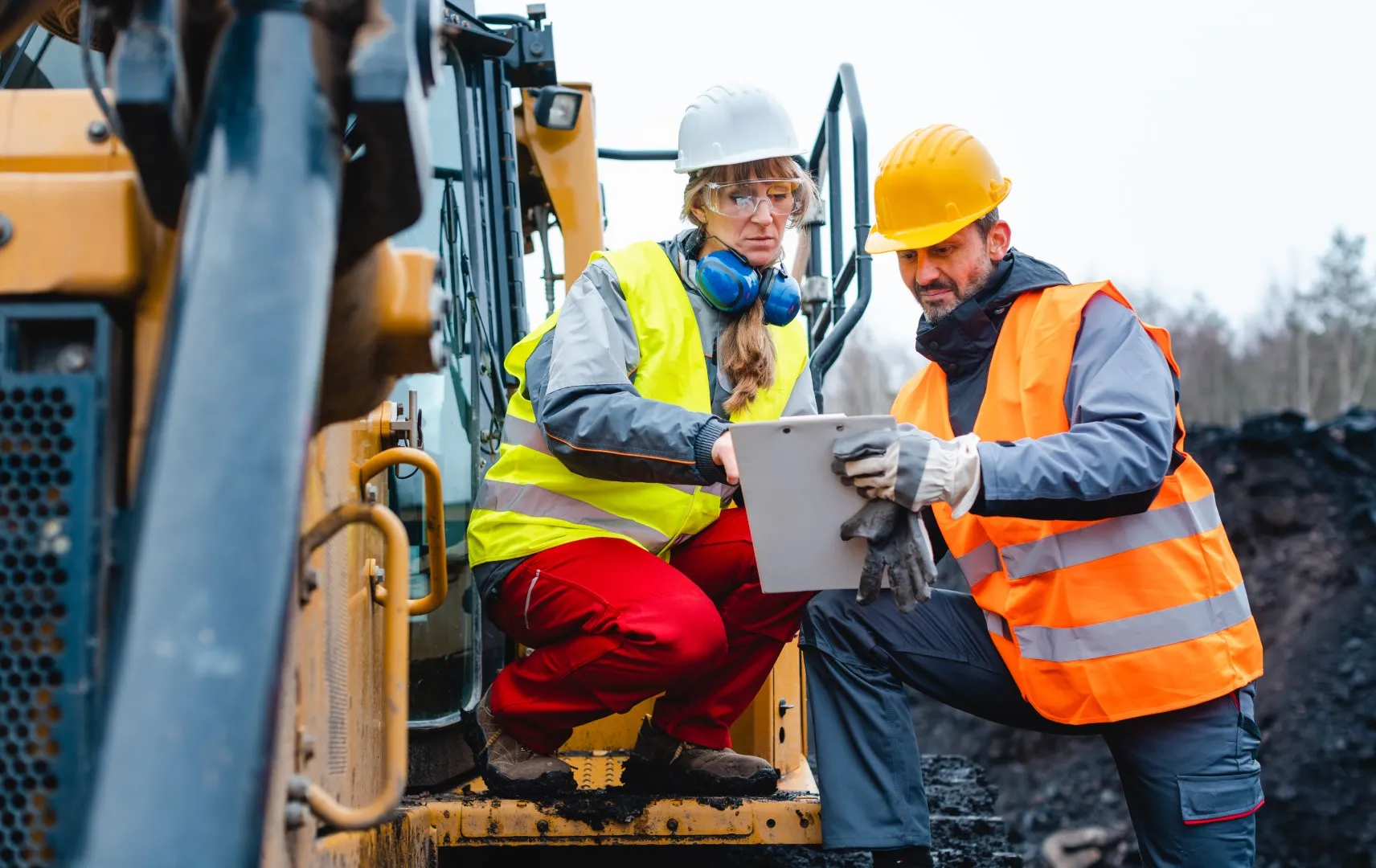
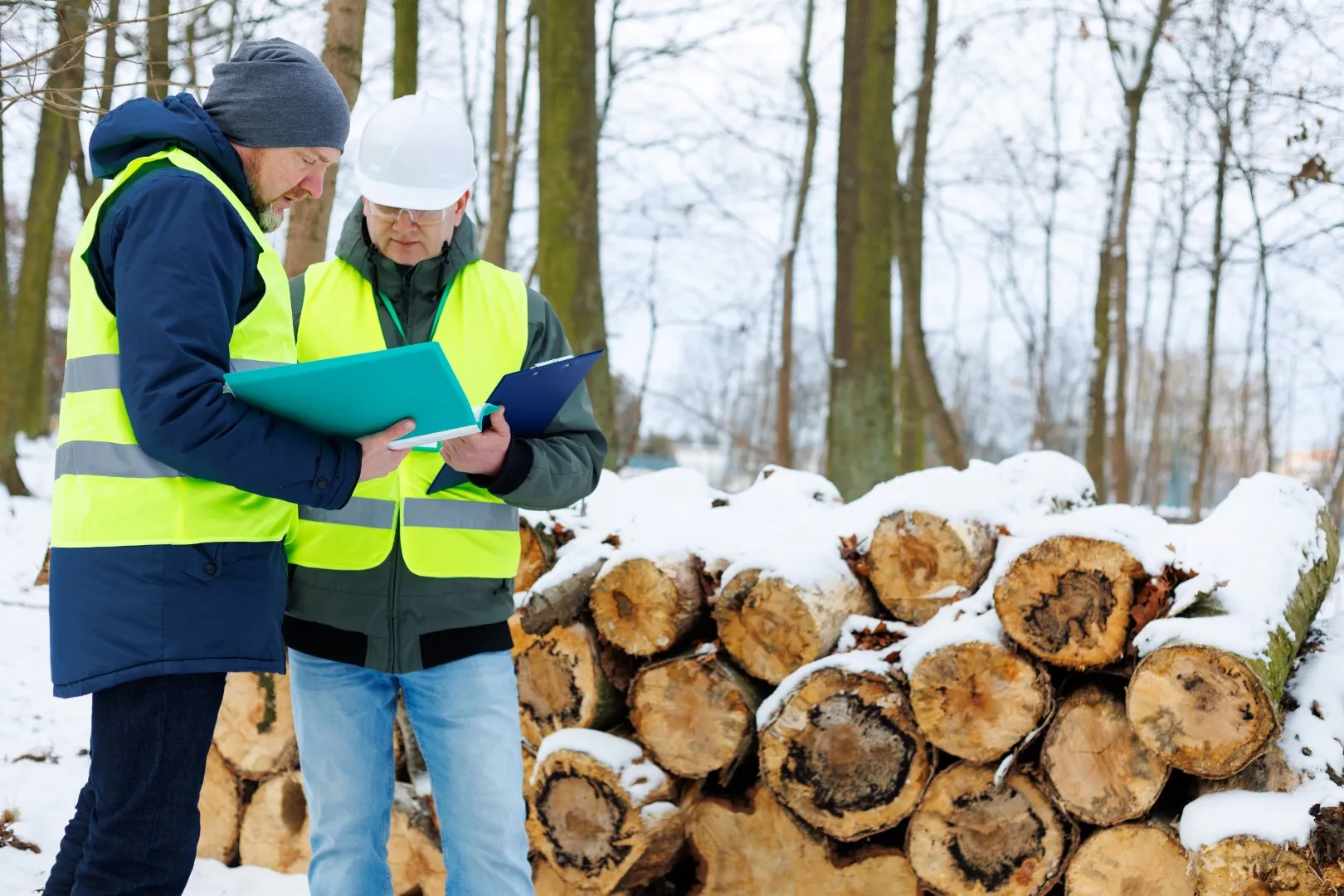
Mining and logging operations face challenging conditions to retain good employees. Even with machinery and automation advances, remote worksites and rotational schedules create shortage for skilled tradespeople. The Mining and Logging sector employs 54.4 million people worldwide. They work in extraction, drilling, surveying, equipment operation, environmental oversight, and technical site support (~600,000 in USA). Tonnage and volume targets in each sector require consistent skill, endurance, and safety awareness. Employers compete for a shrinking pool of qualified applicants as retirement cascades and fewer new workers join the field.
What Cause Turnover in Mining? Why do Loggers Quit Today?
How Much does Mine Worker Turnover Cost? What does Logger Turnover Cost?
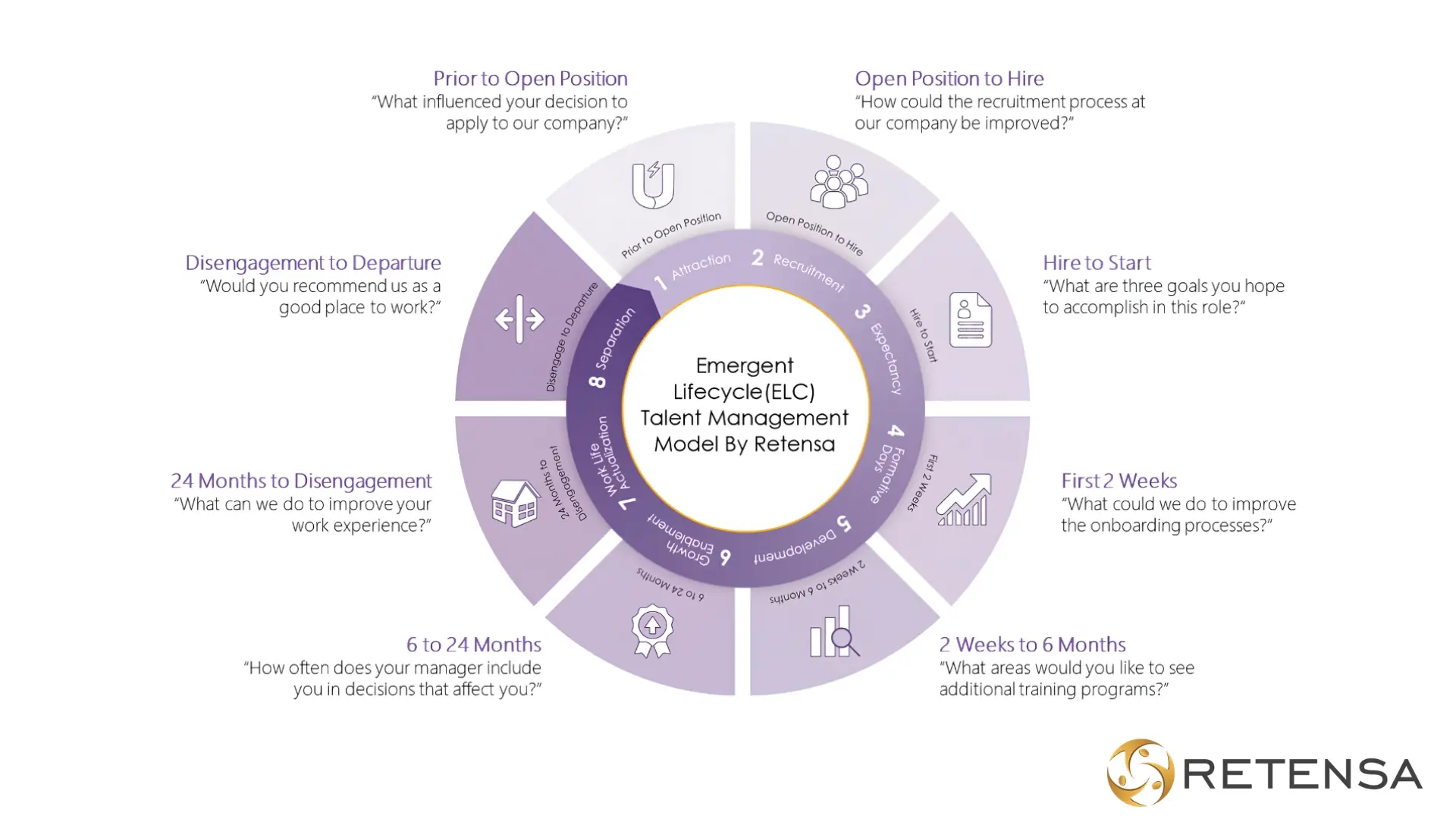
In Logging, Turnover also increases accident risk, overtime spend, and contractor dependence, all increasing margin pressure. Extended time-to-hire causes vacant positions to increase shortfall against the cut plan. The vicious cycle continues… workload increase on remaining teams, which elevates operational risk, which results in higher Delivered Log Cost. Retensa calculates that each logger’s departure to replacement costs between 40% and 60% of annual salary (higher with specialization).
Why do Workers Quit Mining Jobs? Why do Staff Quit Logging Jobs?
Employees often quit mining and logging roles more often due to workplace culture and management issues rather than the technical demands of the job. Based on 25 years of research, heavy workloads do account for 47% of burnout, but avoidable cultural issues contribute to 40% of workplace stress. These factors intensify in mining sites where physically demanding shifts, haul-truck cycle time, and safety concerns increase pressure. Job insecurity and low recognition further reduce engagement, increasing turnover among experienced mining staff. Certainly, the nature of the job’s long rotational schedules, extended time away from family, and housing conditions at camps are factors. But the more influential aspect are those that the employer can control. These include expanding (and regularly communicating) career advancement pathways, consistent supervisor quality across crews and between shifts. When HR strengthens supervisory communication, improves shift management, and supports worker well‑being, employers retain more good employees. Employers that actively capture and apply insights from employee feedback significantly reduce voluntary turnover.
How Do I Retain Mine Workers? How Do I Increase Logging Staff Retention?
1. Employee Intelligence Tools
2. Mine Worker Turnover Prediction & Predicting Logger Attrition
3. Retention Skills Training
Retensa trains supervisors, foremen, and crew leads to reward, recognize, and motivate the exact staff that reports to them. Frontline managers who complete the 4-session course communicate expectations clearly, manage workloads, and address common stress factors in mining settings. Using jobsite signals and labor market data, Retention Training is customized to local realities. Supervisors want to have the Retention Superpower. In just 15 days, managers trained are shown to increase loyalty sooner, elevate morale faster and extend tenure longer versus untrained managers!
Retention Training pays for itself by keeping JUST ONE experienced operator, engineer, or maintenance tech.