-
1180 Ave of the Americas, 8th Floor
New York, NY 10036 - (212) 545-1280
- requests@retensa.com
- Mon - Fri | 8:30 AM - 6:00 PM ET
Employee Retention Blog
AI + HR = The Formula to Power the Future of Work
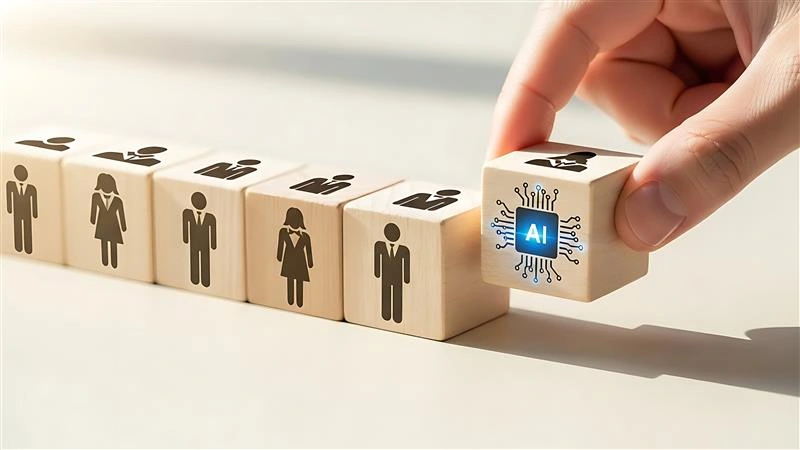
“The more powerful AI becomes, the more we need human judgement.”
— Sir Andrew Likierman, London Business School
Where Does AI Fit in Today’s HR Workflow?
AI accelerates work by sorting through the noise and surfacing patterns faster than any team can do alone. The challenge is understanding where AI improves accuracy and speed, versus where AI hallucinates based on too many assumptions that it will never admit it made. As of this writing, human judgment remains central to achieve intended outcomes.
Simultaneously, HR professionals today balance rising expectations from executives, employees, and candidates while operating with lean teams and tight timelines, as workforce needs shift faster than the resources available to support them. New issues surface every week in onboarding feedback, exit interview transcripts, and manager concerns. These signals reveal where new hires struggle, where teams lose momentum, and where unresolved concerns start to affect performance and retention. This blog outlines how to use AI effectively so HR professionals gain clarity, make better workforce decisions, and reach engagement and retention goals with confidence.
AI shows what changed. People determine why it changed.
AI processes workforce data in seconds. It organizes feedback, identifies trends, and highlights comments or events that merit fast attention, such as customer service teams showing a sudden drop in productivity or remote employees reporting higher frustration.
While AI accelerates access to insight, the application of that insight still depends on variables outside AI’s view. HR professionals better understand the relationships, expectations, and tensions that shape how employees respond at work.
AI can surface patterns, but only humans can explain what those patterns mean among maintenance crews at a union factory in Pittsburgh. The “why” behind workforce shifts lives with the people closest to the teams. HR professionals can determine whether a spike in negative feedback ties to unrealistic workloads (AI doesn’t know), a supervisor transition (AI never heard), schedule changes (AI won’t get), or a parts delay affecting the entire department (AI cannot see).
How AI Strengthens HR’s Daily Decision‑Making
AI and HR each contribute distinct strengths to the decision-making process. AI accelerates how quickly patterns become visible, and HR determines how those patterns relate to real conditions inside the workplace. Let’s look at how each side enhances the other in the daily HR workflow.
| AI Highlights | Humans Interpret |
|---|---|
| Changes in engagement scores | Whether recent decisions or events affected how people stay motivated in their roles |
| Changes in how teams experience day-to-day work | Whether workload or process shifts increased strain or frustration |
| Patterns in survey comments | Whether leadership actions influenced motivation or morale |
| Early signals of turnover risk | Whether policy updates or role changes made people question their future |
| Issues that consistently appear in specific roles or locations | Whether conflict, workflow issues, or team dynamics affected trust |
| Differences between groups or supervisors | Whether local conditions or management styles shaped the feedback |
When Insight and Judgment Come Together
Workforce conditions change fast. Employees adjust expectations quickly. Small events can influence engagement, motivation, and retention within days. HR professionals need real-time insight that moves at this pace without sacrificing accuracy. When HR teams combine the speed of AI with their context of what teams face every day, they recognize which issues matter, which changes call for action, and which decisions lead to the strongest outcomes. Together, HR and AI create a level of clarity and impact that neither could achieve alone. When combined, employers have a more complete and confident view of what their people need to excel and grow.
Employee Retention Idea:
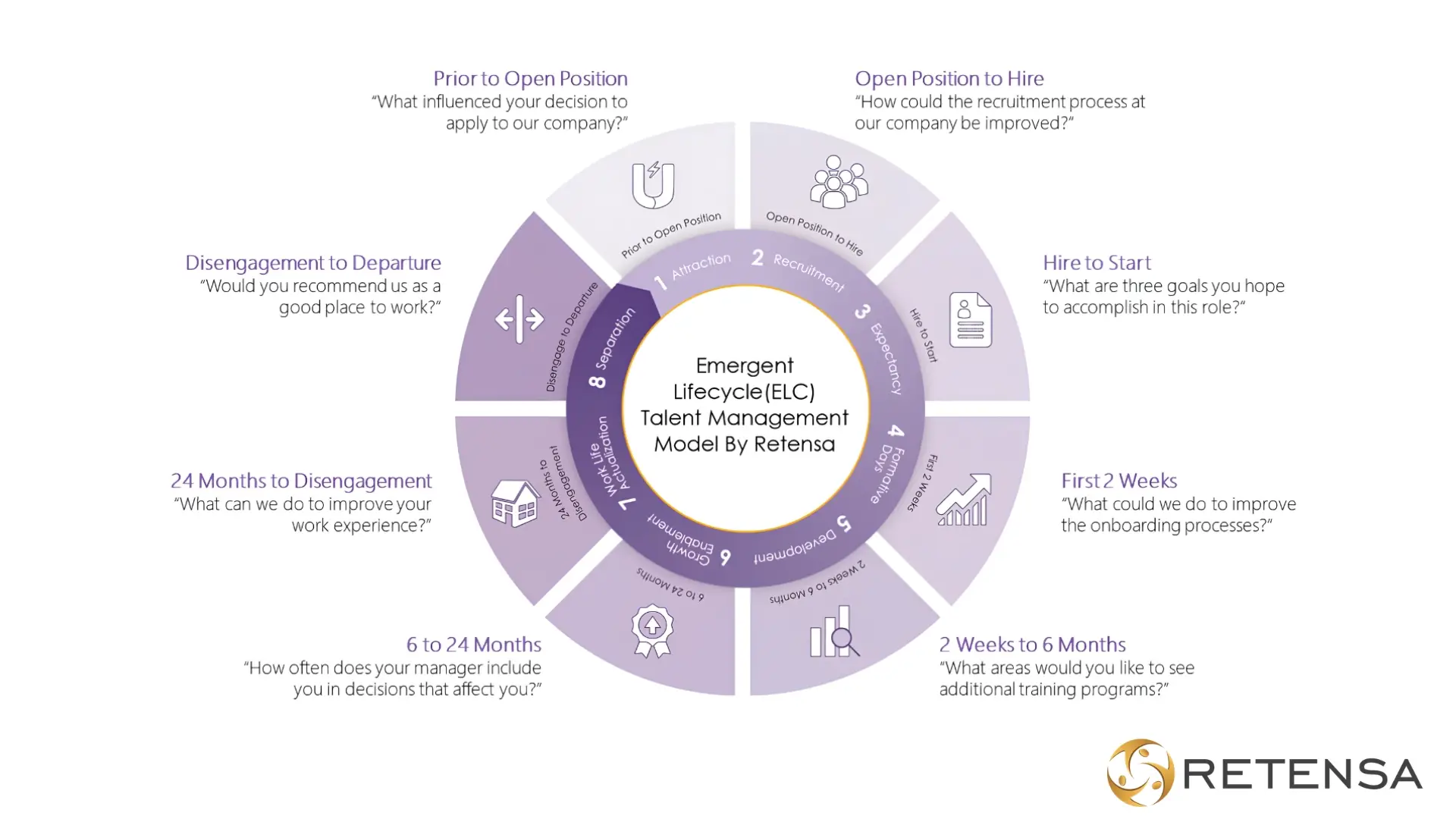
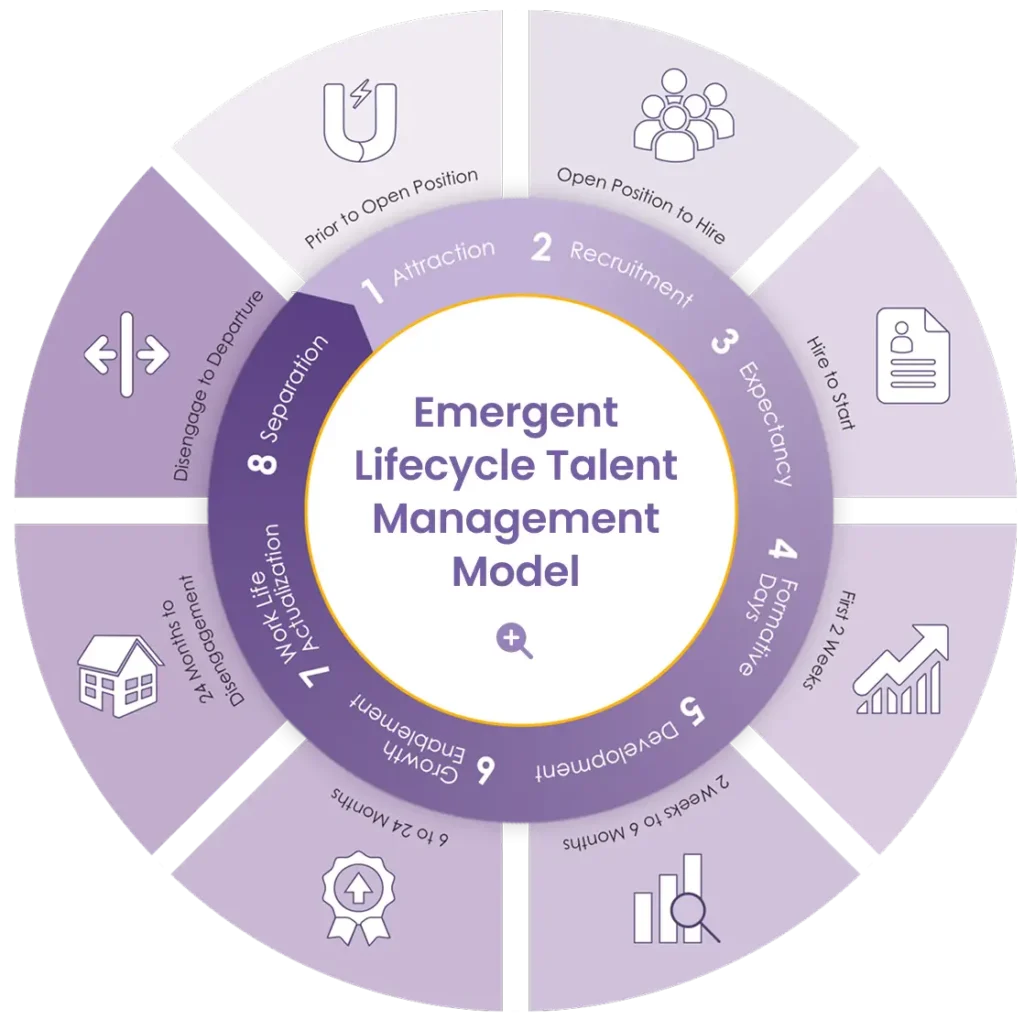
Give employees a trusted channel to express what influences their commitment to the organization. Just as AI accelerates tasks and HR brings the interpretation that guides real decisions, retention strategies require both speed and context. A structured process that captures why people join, stay, and quit provides the context that complements AI-driven analytics. This combination helps leaders make informed decisions about culture, development, and engagement. Retensa provides predictive tools that turn this feedback into actionable clarity.
Ready to Reduce Turnover? Let’s Talk!
Every day you wait, turnover costs increase. Get a free Retention Strategy Consultation today.
.