
From Red Flags to Retention: What 25 Years of Stay Interviews Reveal

Before employees quit, they speak up. Just not always to HR. It’s not uncommon for leaders to overlook the signs of disengagement that employees send way before they resign. These Red Flags emerge through everyday interactions, subtle shifts in behavior, and recurring language.
Want to catch the Red Flags that signal employees may quit? Watch our on-demand webcast to learn how to identify early warning signs of serious workplace problems, and what actions employers can take to prevent top talent from quitting.
Why is it critical to listen for these warning signals?
Disengaged employees cost employers over $500 billion annually, and toxic workplace culture is a major driver of that loss.
What Employees Say Instead of “I Quit”
Employees rarely say, “I’m thinking of quitting.” Instead, they describe unfair, unsafe, or exhausting situations to coworkers and managers. These statements reveal deeper issues:
- Harassment: “I feel excluded.” “That made me uncomfortable.”
- Toxic culture: “This place is draining.” “It’s cutthroat here.”
- Inappropriate behavior: “That joke crossed the line.” “They keep dismissing my input.”
- Favoritism: “It doesn’t matter what I do.” “They always pick the same person.”
- Burnout: “I’m exhausted.” “I haven’t taken a real break in months.”
Employees often avoid direct conflict, even when they feel wronged, because being “right” feels safer than being vulnerable. That silence is not indifference; it’s a signal of perceived injustice. When expectations clash with reality and no resolution follows, the disconnect grows. Eventually, they quit.
Red Flags don’t always come with dramatic declarations. Employees might use sarcasm, withdraw from conversations, or go silent. HR teams must stay alert and respond before these signals turn into resignation letters.
Employers who ask the right questions, invite open dialog, and capture feedback can recognize Red Flags early to keep top talent, protect culture, and reduce legal risk. Those who don’t listen cannot address the problems that have already caused damage.
Why Listening at Every Stage Prevents Turnover
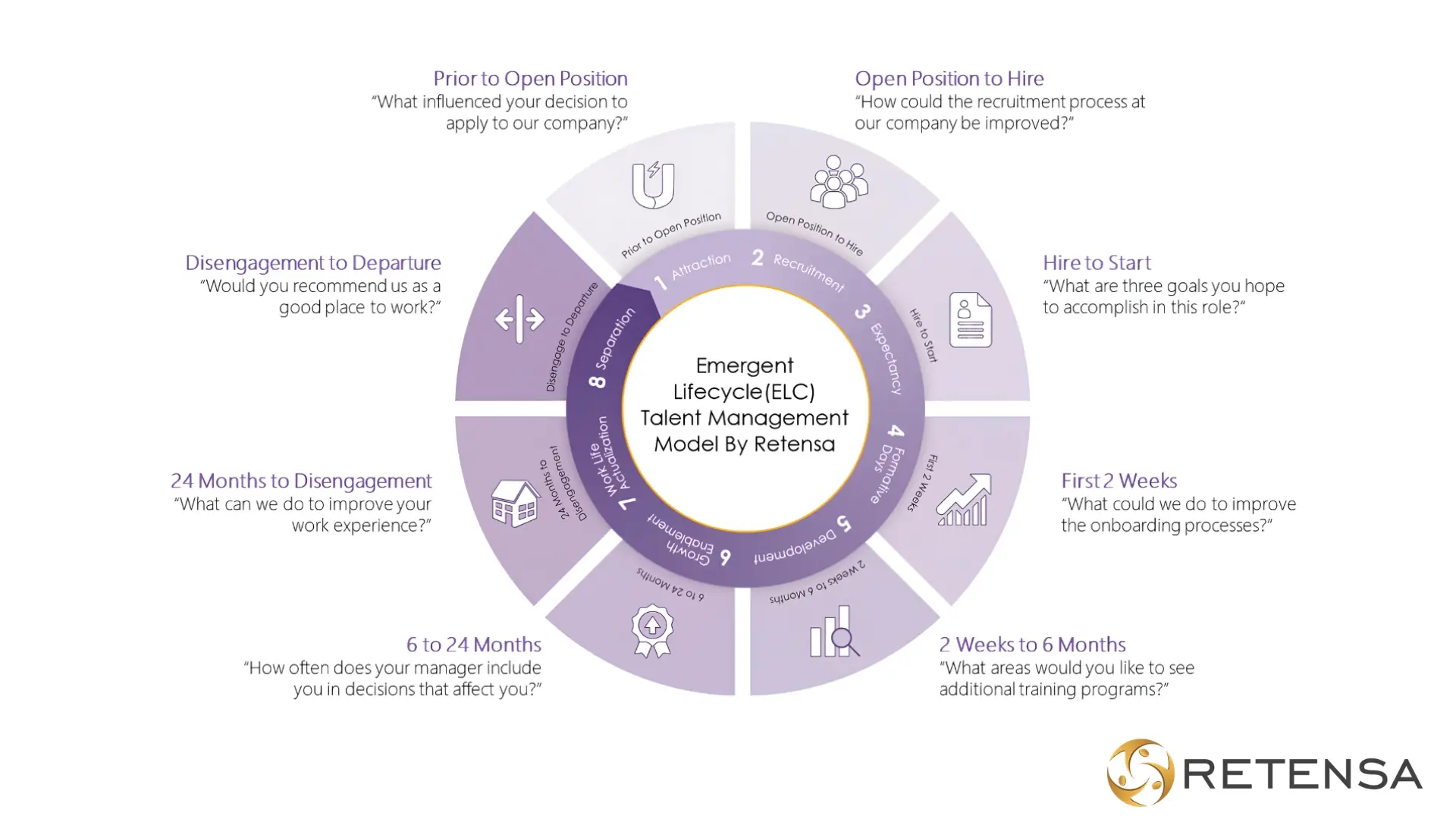
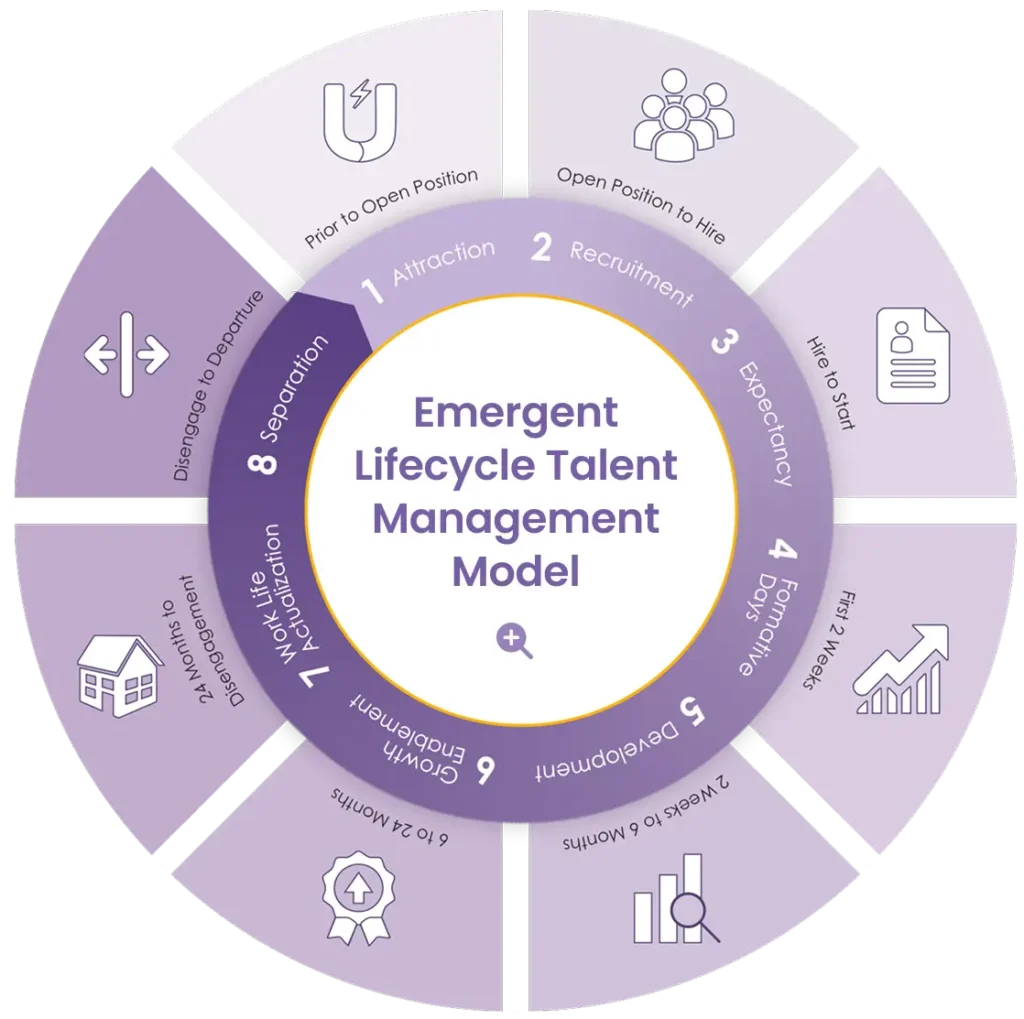
HR leaders build a strong employee intelligence strategy by checking in with employees throughout their lifecycle, strengthening culture, and reducing risk. From onboarding to exit, each lifecycle stage reveals what employees need, value, and experience. HR leaders who engage at every stage gain the insights necessary to reinforce commitment, identify emerging issues, and respond before problems escalate.
Retensa’s Emergent Employee Lifecycle framework shows how each touchpoint, from recruitment through retirement, offers a chance to improve retention. Yet employers often miss the most actionable moments: when employees still care enough to speak honestly.
Act Early to Prevent Disengagement and Legal Risk
Employers often miss the early signs of disengagement, not because they don’t care, but because client demands, financial targets, and operational pressures often take priority. These priorities pull attention away from the staff who deliver those services and shape daily experiences. When leaders focus elsewhere, they may miss what’s happening on the front lines. By the time issues surface, they lose the chance to intervene.
Stay Interviews help employers identify early warning signs and intervene before the employee experience deteriorates. When HR teams listen proactively and consistently, they create opportunities to prevent disengagement, compliance violations, and legal claims.
These conversations also build trust. They show employees that leadership is listening and willing to act. Documenting concerns during Stay Interviews helps employers stay stay compliant and proactively address legal risks.
The most effective Stay Interviews go beyond surface-level questions. They combine fixed choice answers with open-ended prompts. Success depends on transparency and a genuine commitment to act. When employees say, “I feel overlooked,” or “I don’t feel safe speaking up,” it signals deeper problems. If ignored, these issues can spiral into toxic culture, formal complaints, or legal action.
The Cost of Inaction is High
Harassment lawsuits often exceed $250,000 in legal defense. PTSD-related disability claims can surpass $100,000. Work-related stress may lead to compensation payouts of $50,000 or more. Favoritism fractures teams and drives away top performers.
Good organizations react. Exceptional ones anticipate. Employers who prioritize culture and employee well-being create environments where innovation flourishes and toxic behaviors never take root. When leadership builds a clear plan, communicates it effectively, and follows through, employees recognize that their feedback drives change. That trust increases morale, strengthens engagement, and inspires a self-healing culture where loyalty grows, and exceptional outcomes emerge.
Employee Retention Idea: Use TalentPulse to Spot Red Flags and Improve Retention
HR teams can strengthen retention by tracking the language employees use in Stay Interviews.TalentPulse, Retensa’s workforce intelligence platform, analyzes this feedback to uncover patterns that signal risk. It transforms employee responses into actionable insights that help employers predict and prevent turnover.
Within TalentPulse, the Red Flag Report is a specialized alert system that detects burnout, discrimination, or toxic culture. It pinpoints where issues emerge ― by manager, location, job title, or gender ― so HR leaders can intervene early and reduce compliance risk.
Use the Red Flag Report to spot patterns across departments, pinpoint which managers need coaching, and determine where soft skills or communication training will make the biggest impact. This approach allows us to act on real-time feedback, address issues before they escalate, and protect both the workforce and the organization.
Real-World Results from Retensa’s Red Flag Report
Retensa has conducted Stay Interviews in 59 countries and 22 languages. We see firsthand how prompt action changes outcomes.
Before partnering with Retensa, employees at an electronics manufacturing company frequently reported physical injuries, managerial favoritism, and serious misconduct including racism, discrimination, and drug use. At a national home services company, employees commonly reported high stress, intense work pressure, and a lack of psychological safety.
These situations happen all too often across organizations, and they often signal deeper, more damaging problems. By using Retensa’s Red Flag Report, these employers uncovered serious issues driving turnover, such as harassment, burnout, and toxic culture. The report revealed exactly where and when these incidents occurred, and which job titles, both employees and managers, were involved. This insight enabled them to take targeted action before the problems escalated further.
When employers listen and respond early, they retain talent, improve morale, and avoid costly disruptions. They build workplaces where people stay because they feel engaged and heard.
Want to identify and act on Red Flags before they lead to turnover? Watch our free on-demand webcast and get practical strategies to strengthen engagement and retention.