
How to Reduce Nurse Turnover: Retention Strategies for Healthcare

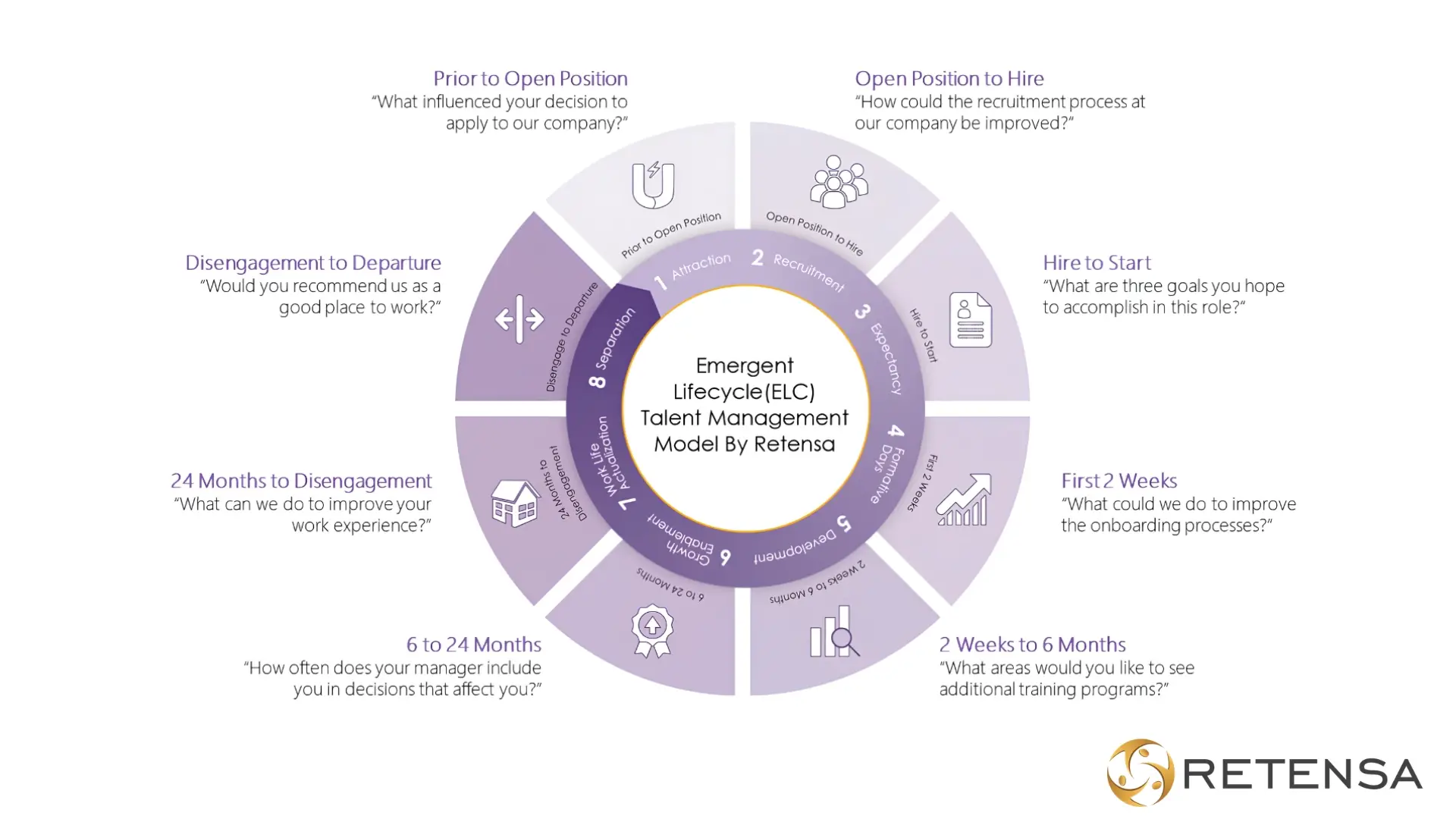
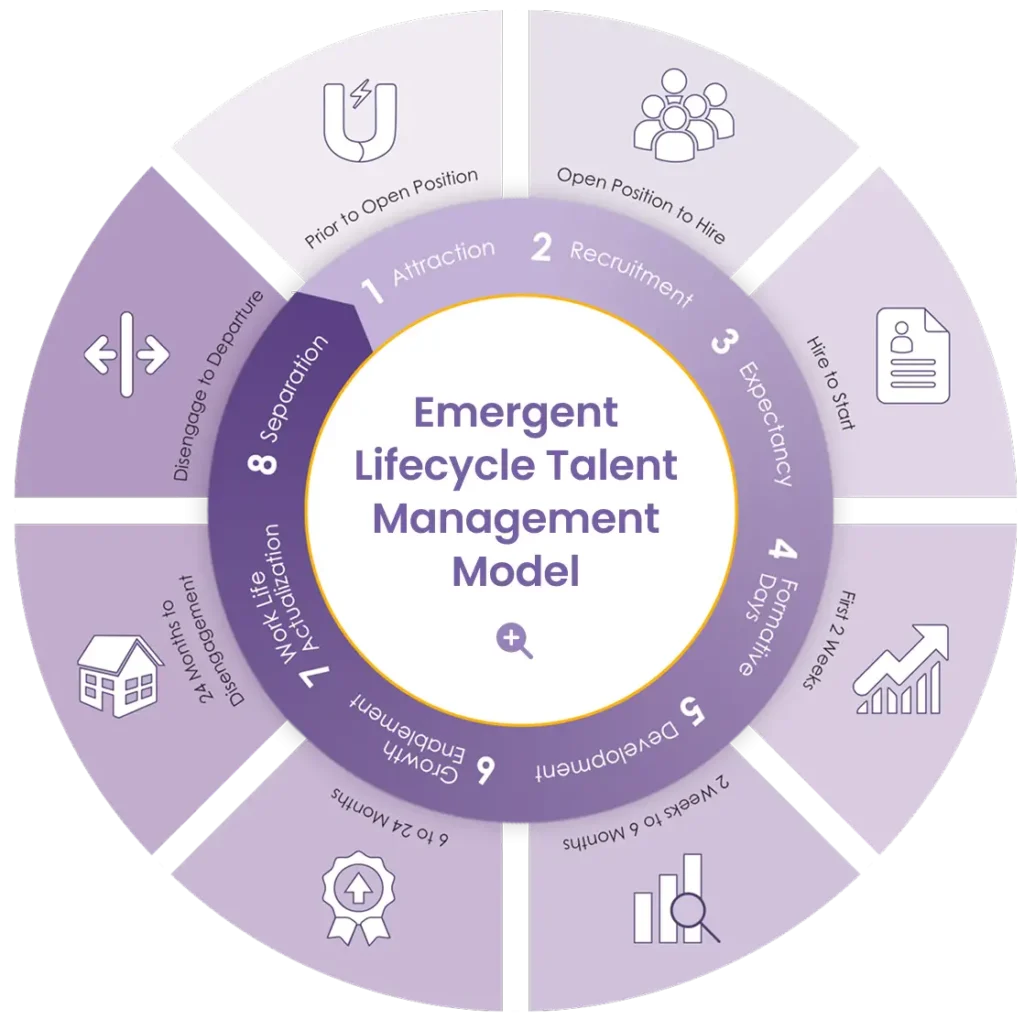
Nurse turnover rarely comes from one workforce problem. A hospital may retain nurses successfully in one unit while another struggles with repeated resignations. Experienced nurses may remain in one facility but quit from another under similar market conditions. Hospital-wide averages can hide those differences. Healthcare employers need to identify which nursing populations drive turnover and which signals shift first. They should also find where retention is already strong. Leaders can then decide whether scheduling, management, workload, or career development needs attention. The analysis should also follow the full employee lifecycle. Retention signals can begin before hire and shift during onboarding. They grow clearer as resignation approaches. Healthcare staff retention also carries a direct staffing and financial cost. Heavy reliance on travel nurses becomes expensive when preventable local turnover continues. Retention analysis should determine whether local nurse attrition is creating avoidable replacement costs. Nurse Turnover Varies by Unit, Facility, and Role Hospitals employ nurses across different environments. ICU, emergency, inpatient, outpatient, and specialty groups can experience the same employer in different ways. Retention can also vary by: Facility Manager Unit Tenure Age Role Employment type Specialty A hospital-wide score may conceal a serious issue in one population. Travel nurses solve immediate coverage needs. Repeated reliance on them may also hide a local retention problem. The employer should compare units where nurses quit with units where nurses stay. That comparison can reveal whether manager relationships, scheduling, career visibility, team connectedness, or another experience differs materially. Why Nurse Retention Requires Continuous Listening Annual surveys provide useful information, but nurse experiences can change quickly. Several events can alter workforce sentiment between survey cycles: Leadership changes Staffing changes Higher patient demand Schedule changes Administrative changes Team conflicts Organizational restructuring One annual score may miss those shifts. A single engagement measure also cannot capture the full nurse experience. Commitment may fall while trust stays stable. Manager relationships may remain strong while schedule concerns rise. Continuous listening gives healthcare employers a way to track those changes over time. The goal is enough consistent data to separate a temporary dip from a meaningful retention signal. What Makes Nurses Quit? Healthcare employers often know the broad categories connected to nurse turnover. Common possibilities include: Workload Burnout Scheduling Manager relationships Recognition Career growth Trust Connectedness Administrative burden Staffing pressure These categories should remain hypotheses until the employer measures them. Burnout illustrates the problem, since the term can cover several causes. One nurse may face repeated overtime, while another lacks manager support. Another may struggle with administrative burden. The diagnosis should identify what produces that experience. Nurse retention strategies should connect these signals with turnover data before leaders select an intervention. 1. Measure Commitment From Pre-Hire Through Post-Separation Retention begins before the employee’s first day. Healthcare employers can collect useful information across several stages: Pre-hire: Why did the nurse choose the employer? Onboarding: Did the workplace match recruiting expectations? Active employment: How are commitment, trust, connectedness, and turnover intention changing? Resignation: Which factors contributed to the decision to quit? Post-separation: Which patterns repeat across completed departures? This lifecycle analysis can reveal where the relationship begins to weaken. A nurse may join for schedule flexibility, then find a different schedule in practice. Another may join because of career opportunity and later report weak advancement visibility. These patterns connect recruitment and retention. Persistent early attrition can therefore indicate a problem in the talent pipeline as well as the employee experience. 2. Compare Nursing Units, Managers, and Employee Groups Hospital-wide turnover can hide local retention problems. Healthcare employers should compare relevant measures across units and workforce populations, including: Voluntary turnover Retention Commitment Manager trust Connectedness Appreciation eNPS Turnover intention Tenure Role Keep the strongest units in the analysis, since a high-retention unit provides an internal benchmark. HR can compare its manager relationships and career visibility with higher-attrition units. This creates a strengths-first approach. The employer learns what already works before adding another retention initiative. 3. Connect Burnout and Workload Signals to Turnover Data Burnout should trigger deeper analysis. Healthcare employers can compare employee feedback with: Overtime Absenteeism Workload concerns Administrative burden Staffing pressure Patient demand Turnover intention Voluntary turnover The objective is to understand whether these signals move together. Two units may face similar staffing pressure while producing very different retention outcomes. One may have stronger manager support or team connectedness. That comparison helps HR look past “burnout” to the cause beneath it. When workload concerns, falling manager trust, and exit feedback align, the case for action strengthens. 4. Measure Trust, Connectedness, and Appreciation Nurses experience the employer through relationships as much as policies. Trust can exist at several levels: Employee to manager Employee to senior leadership Employee to employer Employee to team Connectedness shows how integrated nurses feel with colleagues. Appreciation shows whether nurses feel their work receives consistent recognition. The strongest analysis compares these measures across units and managers. A unit with high appreciation and low turnover may provide a model worth studying. Another with declining trust and rising turnover intention may require earlier attention. These signals carry more weight once HR links them to retention outcomes. 5. Identify Scheduling Concerns Through Employee Feedback Many hospitals link shift patterns to nurse turnover, though the specific issue differs by population. Healthcare employers should examine: Schedule predictability Overtime Shift changes Flexibility Shift preference Schedule control Repeated scheduling concerns in feedback The employer should then compare these measures with voluntary turnover and exit data. A scheduling concern that appears across current-employee feedback and completed departures deserves greater priority. A comparable unit with similar scheduling practices and stronger retention suggests that another factor may be contributing. Retensa’s role remains diagnostic. The analysis should prove whether scheduling contributes to attrition before the employer invests in a scheduling solution. 6. Track Career Visibility as a Retention Signal Nurses may want to understand how they can progress without quitting the employer. Career progression can include: Clinical specialization Certifications Education Advanced practice pathways Leadership roles Internal mobility Management opportunities Those opportunities must also be visible. A healthcare employer may
Infographic: Employee Wellness Survey
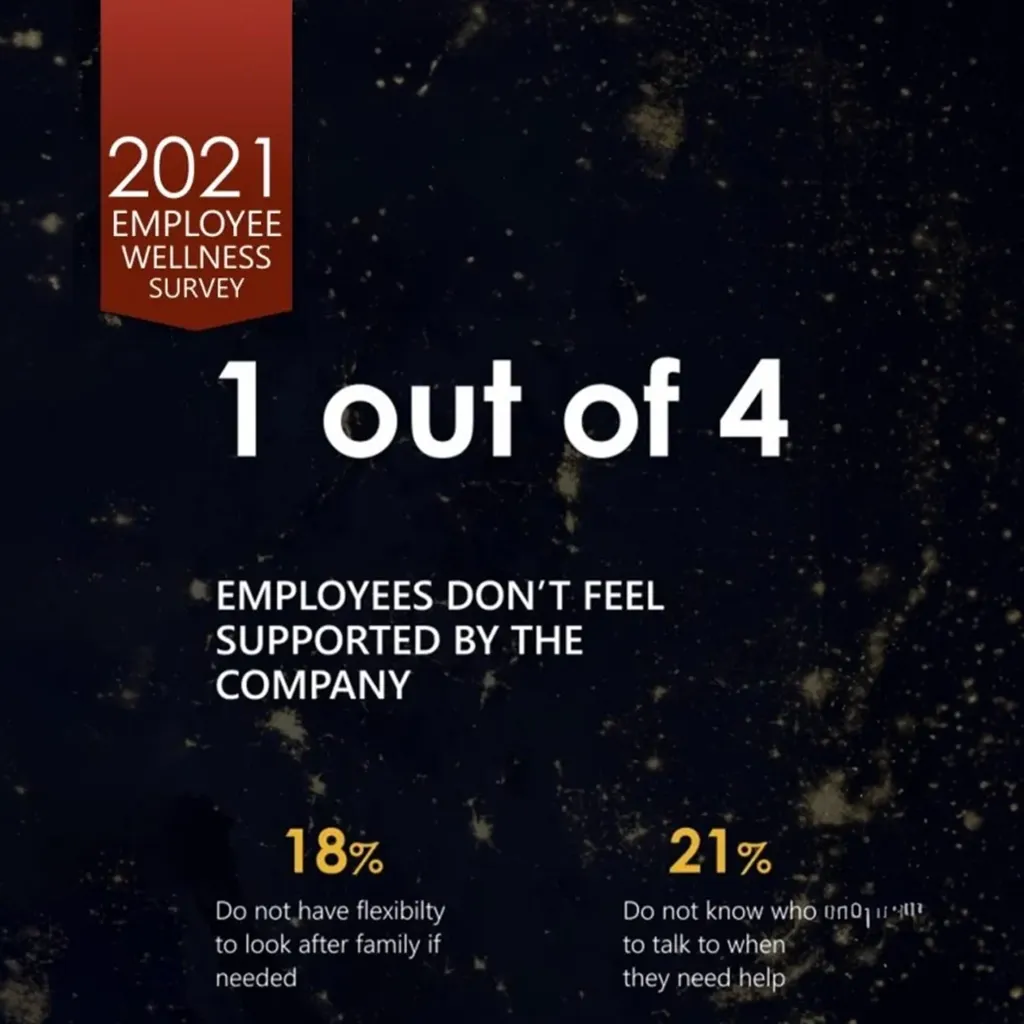
In the turmoil of the initial pandemic, employers naturally focused on resolving the major problems such as businesses closing, partnerships coming to an end, or market demand plummeting. Doing what they could to persevere, employers neglect the not-so-obvious issue…employee wellness during a crisis.