
Rest assured…AI did not write this article. If it did, the article would likely be full of inaccuracies and falsehoods. The popularization of Artificial Intelligence (“AI”) Chatbots rapidly transformed many aspects of work, study, and life. It is an undeniably powerful tool that comes with debate and controversy. While Retensa celebrates the advancement and continues a 10-year history using AI in workforce predictive analytics, using AI chats for employee retention strategies would be a disaster.
Don’t get us wrong: this is not a dig at AI. AI has and will continue to be a part of what Retensa does. It is simply a notable current limitation of “generative” AI tools. Turnover Myths are common. Consistently and casually repeated, rephrased, and repurposed for the last 20 years, AI flagged them as facts in its trawl net of training data.
So to save you hundreds of hours and hundreds of thousands of dollars, here are the 6 Turnover Myths that AI Chats fails to highlight:
While all organizations face turnover, many leaders want to know how they compare to their peers. While industry is a good initial indicator, an accurate benchmark requires industry, employment size, AND geographic location (for some industries like hospitality, seasonality is a major factor).
While following the general macro-trends, job climates around the globe vary greatly. Countries rely on different industries and organization size as their GDP and quality of life drivers. Cultural norms, economic policies, and government regulations are influential factors that affect how all three aspects show up in turnover statistics.
For example, staff turnover in the automotive and manufacturing industries varies widely by region, shaped by production methods, market dynamics, and labor policies. In Germany, the automotive industry benefits from precision engineering and strong labor unions, promoting job stability and long-term employment. In contrast, the U.S. sees higher turnover, particularly in non-union automotive plants, where cost-cutting and competitive pressures reduce job security. Similarly, Japan’s focus on lean manufacturing and lifetime employment traditions keeps turnover low, reflecting cultural values of loyalty. In the manufacturing sector, Tamil Nadu, a southern state in India, reduced turnover by increasing female participation through initiatives like childcare, secure transport, and housing, making the workforce more inclusive.
None of the above incorporates Involuntary staff turnover (terminations for cause or layoffs). In some areas or industries, Involuntary turnover rate can account for as much as 20% to 40% of total turnover.
Most of the numbers you hear from organizations, trade associations, or labor departments refer to annualized Voluntary turnover rate. That can provide a misleading view against any HR metric other than whole organization voluntary turnover rate in one year. So while benchmarking turnover rates is possible under many conditions, there is no such thing as an “average” without factoring in contextual predictors.
While it makes sense to think that the larger the company is, the higher the turnover rate would be, it is actually the opposite. As it turns out, Enterprises have a lower turnover percentage than small and mid-sized businesses.
What people may see instead, is the higher volume of turnover due to its size, when larger organizations in reality show more flexibility and see lower percentages. Enterprises can more easily absorb and manage high turnover through resources and long-term planning, such as adjusting the budget, building talent pools from past pipelines, and succession planning.
Additionally, larger organizations in general provide more stability in their strategy, compensation and benefits offerings, as well as advancement opportunities. These are major attractors for many job seekers and have become more in focus in recent years. AI models might inaccurately flag the turnover trends in larger companies based on sheer data volume, overlooking stabilizing factors.
Turnover is expensive. While some leaders underestimate the impact, many believe the price of turnover is more than the actual cost. Often cited as being equal to 1x to 2x an employee’s salary–a figure that can be traced back to Gallup’s calculations, the estimate is misleading. While Gallup’s numbers weren’t incorrect, the headline they used was a bit loose in how it conveyed the data. In reality, most employees fall within the 25% to 50% range in terms of impact on turnover costs.
Check out Retensa’s Cost of Turnover Calculator here to get an estimate on different roles’ attrition:
This cost can escalate significantly for certain roles, with some employees reaching up to 5x their salary. Salespeople can drive turnover costs as high as 10x! This distribution is reflected in the step bell curve, showing how turnover costs vary across different levels of performance and roles. AI would likely standardize this figure, missing the true variations in turnover costs across roles and industries.
While it’s true that many employees who leave voluntarily cite management or organizational issues as factors that could have prevented their departure, it is a simplification of the multifaceted topic of Why People Leave. In fact, we have synthesized from 25 years of field research 24 main drivers of employee experience that contributes to over 99% of why employees leave. Check out the themes in our exit interviews here: https://exitpro.com/exit-interview-forms/
According to Retensa’s very own Turnover Unveiled – a metadata analysis where they’ve been tracking turnover data for the past decades – Supervisors & Managers is lowering in reasons why people quit.
You can check out the full Industry Comparison Employee Turnover Trend here: https://store.exitpro.com/product/employee-turnover-trends-industry-comparison-report-10-years/
While there is a risk that new employees may leave after receiving essential training, this often highlights a flaw in the training model rather than being a direct consequence of the training itself.
The idea that employees leave after training because they’ve “learned what they needed” doesn’t hold, especially when the training is specific to a company’s processes. Since the knowledge gained is often not easily transferable, leaving would be counterproductive. If employees do leave, it’s likely due to issues with the training program or its application.
If new employees make it past the 90-day mark but still struggle with confusion or need constant clarification, it may signal that the onboarding program isn’t clear or thorough enough. This can lead to frustration and poor performance, increasing the risk of turnover. However, when training is engaging, well-structured, and aligns with company culture, employees are more likely to feel connected and stay longer.
Moreover, not all turnover is negative. If employees realize early on during training that they’re not a good fit, it’s better for them to leave sooner rather than struggle through a steep learning curve or produce low-quality work. This early turnover saves resources and allows the company to focus on finding better-suited candidates.
The misconception behind this myth is rooted in a lack of perspective. With the current job market, government regulations, and benefits, staying at a single company often doesn’t offer enough incentives for employees. Limited advancement opportunities, salary caps, and the lack of benefits like pensions can make staying in one role less appealing.
Employees are increasingly looking for environments where they can grow, earn more, and access better benefits. Loyalty isn’t disappearing; rather, employees are seeking more value and fulfillment, which is why they may explore other options when their needs aren’t met.
In conclusion, the myths surrounding employee turnover often oversimplify complex realities, and AI sometimes fails to capture contextual clues that can really make the difference at your organization.
While industry benchmarks and macro trends can provide helpful framing, they rarely capture the unique dynamics of individual organizations. That’s why having your own data and insights is essential for understanding and addressing turnover in a meaningful way.
At Retensa, we remain committed to uncovering the truths behind turnover with research-driven insights, predictive analytics, and tools that empower organizations to build stronger, more resilient workforces. By challenging these myths, companies can better address the root causes of turnover and create environments where employees thrive and stay engaged. Let’s move beyond the myths and focus on facts that truly make a difference.
Get in the conversation—know who’s quitting, when they’re quitting, and why. Bust more myths with us by checking out the Cost of Turnover Calculator, a free tool to uncover the true impact of turnover in your organization. And don’t miss the Turnover Unveiled seminar, where we’ll break down the past 1, 3, and 5 years of global turnover data.
Ready to Reduce Turnover? Let’s Talk!
.
Healthcare is one of the most essential and demanding industries. Hospitals and health systems rely on skilled professionals to deliver safe, high-quality care every day. But the sector faces a growing retention crisis. National hospital turnover stands at 18.3%, with some facilities reaching 32.8%. Replacing just one bedside RN costs over $61,000, and annual RN turnover costs range from $3.9 to $5.7 million per hospital. Burnout, digital disruption, and shifting workforce expectations continue to push staff out the door. When experienced employees leave, patient care, safety, and margins all suffer.
Retensa identifies the root causes of healthcare staff turnover. We give hospital leaders a clear view of why employees leave and where to act first. Our stay interviews uncover what matters most to your team, while our customized training equips managers to build trust, boost morale, and retain top talent. Whether you run a single facility or a large health system, we help you create a culture that supports and sustains your workforce.
Reduce nurse turnover by double digits within six monthsFlag early burnout signals using real-time analytics
Improve manager impact with targeted retention training
Credit Unions face rising turnover among front-line staff. Tellers and Member Service Representatives now quit at rates between 20% and 24% each year. FinTech and other industries attract experienced employees with promises of flexibility, growth, and modern work environments. As expectations shift, credit unions and banks must act quickly to retain the people who protect member relationships and drive daily operations.
Retensa helps credit unions retain their front-line teams. We deliver retention skills training for branch managers and supervisors to improve engagement and reduce turnover. We conduct Exit Interviews that uncover the real reasons employees quit. We build onboarding programs and early warning systems to spot disengagement before it becomes attrition. Our strategies reflect your culture, branch network, and growth goals.
Lower turnover among tellers and MSRsStronger member relationships through staff continuity
Higher morale and better manager performance
A culture of purpose that keeps top talent committed
Retail is one of the largest employers in most developed countries. In the U.S. 1 in 5 American workers is employed by the retail industry. It also faces one of the highest job turnover rates: Averaging 60% voluntary turnover for full-time and 110% for part-time staff. Low wages and reliance on transient workforces (like students and seasonal hires) create a constant churn that impacts training, quality of service and loss prevention. With untrained employee mistakes making headlines, retailers can’t afford to rehire just anyone.
Retensa pinpoints the root causes of retail staff turnover. Employers get customized action plans to reduce costly exits and prevent bad hires…whether you run a single store or a national chain. We show managers how to engage retail employees the day they start, build onboarding programs that motivate permanent and temp staff, and track real-time sentiment to predict absenteeism.
Reduce staff attrition by double digits in just 4 months across 30 locations
Improve manager impact with real-time insights on team morale
Accounting firms face a growing retention crisis. First-year professionals quit at a rate of 22%, and public accounting firms lose 41% of staff within three years, which is far higher than the 28% seen in corporate roles. With nearly 40% of CPAs nearing retirement, the industry risks a talent gap of 120,000 by 2027. Firms must act now to keep top talent and build a sustainable workforce.
Retensa helps accounting firms understand why employees quit and how to keep them. We run employee lifecycle surveys that capture feedback from onboarding through exit. We conduct retention diagnostics to identify where turnover starts and deliver tailored action plans. We train managers to lead effectively, especially during high-stress periods like tax season.
Increase retention among early-career professionals
Identify and fix the root causes of turnover
Strengthen manager impact with practical retention skills
Turnover in veterinary practices exceeds rates in other healthcare sectors. Annual attrition ranges from 23% to 31%, with veterinary technicians and assistants most affected. Emotional exhaustion, low wages, and limited advancement opportunities drive frequent departures. Burnout and compassion fatigue impact more than half of veterinary professionals, and nearly one in three employees quit due to poor team dynamics and lack of recognition. These staffing challenges disrupt patient care and erode client trust. Practices that invest in retention strategies see measurable improvements in morale, operational efficiency, and long-term loyalty.
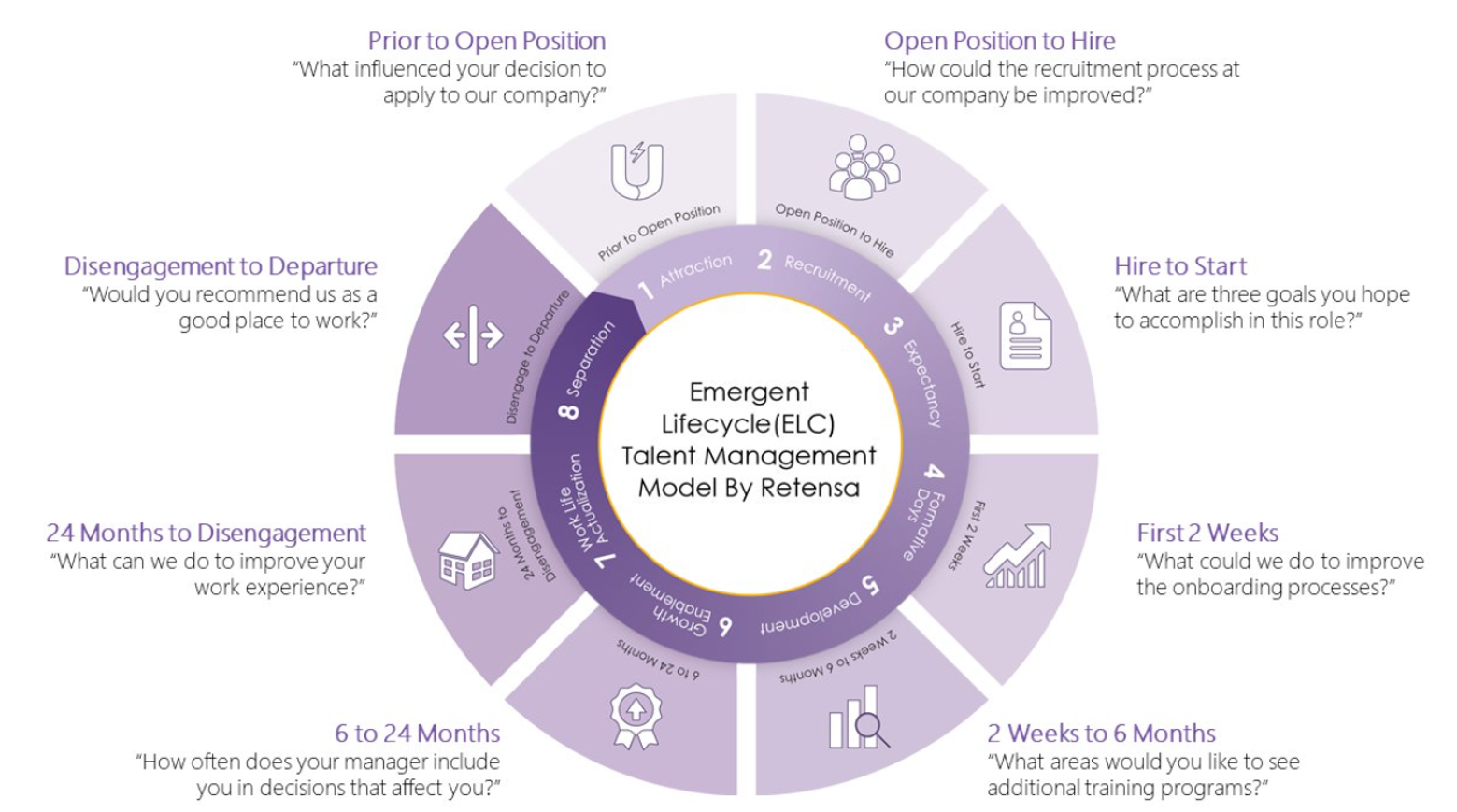
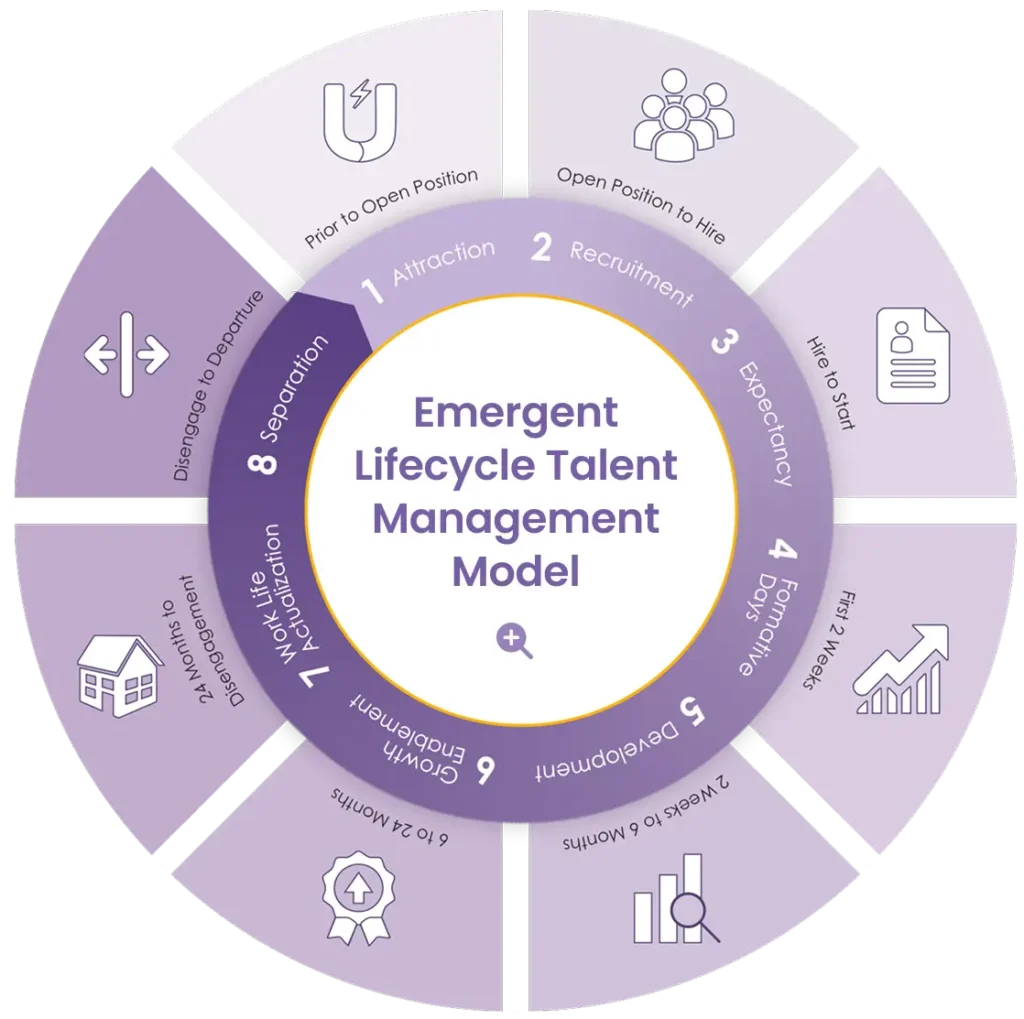
Retensa helps veterinary employers reduce turnover by focusing on what leadership can control. Our Exit Interviews uncover the real reasons staff quit, providing insights that improve employee experience in clinical, support, and administrative roles. Retention Skills Training equips managers to spot early signs of disengagement and apply proven techniques to strengthen team cohesion. Retention Diagnostics and Lifecycle Analytics identify where your practice excels and where it needs to focus, offering clear, data-driven recommendations. Our Emergent Employee Life Cycle model maps the full journey, from attraction to engagement to transition, helping employers build a resilient workforce that supports patient outcomes and client satisfaction.
Diagnose burnout and compassion fatigue using pulse surveys and wellness assessments to guide targeted interventions
Train veterinary managers to improve communication, recognition, and team dynamics
Forecast attrition risk with predictive analytics and take proactive steps to retain high-performing staff
Employee turnover in utilities and telecom has reached its highest level since tracking began. Non-retirement attrition climbed to 7.2%, and burnout is widespread; 66% of employees across industries report high stress levels. As these sectors undergo mergers, digital transformation, and infrastructure upgrades, employers must retain skilled talent to ensure service reliability and preserve customer trust.
Retensa helps utilities and telecom employers reduce turnover by focusing on what leadership can control. Our Stay Interviews and Exit Interviews uncover the real reasons employees quit or disengage, providing insights that improve the employee experience in field operations, customer service, and technical roles. Retention Diagnostics identify where your organization excels and where it needs to focus, offering clear, data-driven recommendations. Our Emergent Employee Life Cycle model maps the full journey, from attraction to engagement to transition, helping employers build a resilient workforce that can support infrastructure upgrades, digital transformation, and service continuity.
Align recruiting and onboarding with organizational goals to build a workforce that supports long-term retention and reliable service delivery
Identify why high-potential employees disengage by analyzing gaps in communication, management, and training systems
Strengthen retention during mergers and transitions with support programs that protect morale and preserve institutional knowledge
Annual turnover for long-haul truck drivers at large fleets now exceeds 90%, according to the American Trucking Associations. Employers face rising burnout, with nearly 60% of drivers reporting high stress levels due to long hours, isolation, and limited support. One-third of drivers quit within the first 90 days, and another 22% leave before reaching six months. With an aging workforce and a shortage projected to reach 82,000 drivers, retention is essential to keeping freight moving and customers satisfied.
Retensa helps transportation employers reduce turnover by focusing on what leadership can control. Our Stay Interviews and Exit Interviews uncover why drivers quit or disengage, offering actionable insights to improve the driver experience. Retention Diagnostics show where your fleet excels and where to focus for greater impact, with clear, data-driven recommendations. Recruitment and Onboarding Strategy support attracts younger drivers and improves early retention, especially during the critical first 72 hours of employment.
Reduce turnover with targeted retention strategies based on driver feedback
Uncover root causes of disengagement by asking the right questions and leveraging live voice to capture rich employee sentiment
Strengthen recruitment and onboarding to retain drivers from day one
Burnout continues to impact retention across the airline industry. Only 12% of millennials working in aviation report being fully engaged. Employers face rising turnover among pilots, flight attendants, and mechanics, driven by chronic stress, rigid schedules, and limited career flexibility. With over 4 billion passengers served annually and more than 480,000 airline employees, the stakes are high. When skilled staff quit, airlines lose operational stability, customer satisfaction drops, and safety risks increase. The shortage of qualified talent is accelerating, and retention is now a critical priority.
Retensa helps airline employers reduce turnover with retention strategies tailored to the demands of aviation. Our Exit Interview Programs uncover why pilots, flight attendants, and mechanics leave, providing actionable insights to improve engagement. Retention Diagnostics identify where your airline excels and where it can improve, with clear recommendations to reduce burnout and absenteeism. Retention Skills Training equips managers with the tools to coach crew members, interpret real-time feedback, and deliver meaningful recognition. These solutions are built for high-pressure, high-performance environments.
Reduce turnover with targeted retention strategies based on employee feedback
Uncover root causes of disengagement through Stay Interviews and Exit Interviews
Train airline managers to retain top performers with customized retention programs
Nearly 48% of employees in pharmaceutical roles report feeling exhausted by their work, and the impact of each departure is significant. In biotech, burnout is rising as chronic workplace stress goes unaddressed, leading to emotional exhaustion, disengagement, and reduced performance. When a research specialist resigns, product development slows. When a sales representative quits, client relationships often go with them. Employers face high compliance demands and public scrutiny, making employee retention essential to maintaining innovation, trust, and performance.
Retensa helps pharmaceutical and biotech employers reduce turnover with retention strategies tailored to their workforce and regulatory environment. Our Employee Life Cycle Analysis identifies which stages of the talent pipeline need attention, from recruitment to onboarding. Exit Interview Programs uncover why employees leave and how to improve engagement. Retention Strategy Planning delivers a clear, data-driven roadmap aligned to your goals, budget, and team dynamics. These tools are built for high-stakes environments where every role matters.
Reduce turnover with targeted retention strategies based on employee feedback
Uncover root causes of disengagement through Stay Surveys and Exit Interviews
Strengthen your talent pipeline with customized retention programs
Public sector employers now face rising turnover from form the lack of job security once assure. For those that remain, budget constraints, limited advancement, and outdated systems contribute to disengagement. The brain drain spirals when experienced staff quit and institutional knowledge disappears, compounding the effect of increased workload and slower service delivery. Retaining key staff strengthens continuity, supports public safety, and upholds public trust.
Retention strategies for government agencies succeed when calibrated to the needs, wants and expectations of each unique department. From automotive technicians to corrections officers to surveyors, municipal, city and county supervisors need flexible tools to track employee engagement. Retensa reveals the root causes of turnover for each department, flags early signs of burnout, and supports transparent, mission-driven cultures. Action plans help retain talent and improve service outcomes.
Reduce staff turnover by 35% in municipal departments
Identify resignation risk in high-impact roles before service gaps
Improve employee engagement scores by 27% with targeted retention programs
Slide the bar to set your turnover goal. The higher you aim, the bigger the payoff. How bold will you go?
Think about how much employee turnover costs your company (you can find out here). You’re already spending money on it; you just don’t see the check. Once you understand that cost, you can decide how much to invest in employee retention with confidence.
Most employers don’t know their turnover rate or what it costs them. Without tracking how often employees quit, it’s impossible to fix the root causes. Turnover affects morale, productivity, customer service, and profit. Knowing your turnover rate is the first step to reducing it.
Use the Turnover Calculator to find out in less than 60 seconds.
Headcount refers to the total number of employees currently employed by an organization. It’s the starting point for understanding your turnover rate. To use the calculator, round your headcount to the nearest hundred or thousand. For example, if you have 385 employees, enter 400. If you have 5,050, enter 5,100.
The calculator works best with rounded numbers. This keeps the results accurate and easy to compare. Small rounding adjustments will not affect final insights.
Every industry faces unique challenges when employees quit. Whether in logistics, energy, agriculture, or tech services, turnover disrupts operations, drains budgets, and weakens team performance. Retention is not one-size-fits-all, it requires insight into specific workforce dynamics.
Retensa customizes retention strategies for any industry. Tools analyze quit patterns, monitor morale, and identify role-specific risks. Action plans are built around each employer’s goals, workforce structure, and operational needs to reduce turnover and improve employee engagement.
Reduce quit rates by up to 40% with tailored retention programs
Flag high-risk roles before critical resignations
Improve workforce stability with industry-specific engagement tools
Non-profit employers face high quit rates due to limited resources, emotional fatigue, and unclear career paths. Mission-driven staff often burn out before long-term impact is achieved. Every resignation affects program delivery, donor relationships, and community trust. Retention sustains momentum and mission success.
Retensa creates retention strategies for non-profit environments that reduce turnover and strengthen team commitment. Tools monitor engagement, detect early signs of job-related fatigue, and support leadership in building supportive, purpose-driven cultures. Action plans help retain passionate talent and improve organizational stability.
Reduce staff turnover by 34% across regional offices
Flag burnout risk in frontline roles before program disruptions
Improve engagement scores by 29% with mission-aligned retention programs
Manufacturing employers face high turnover rates among skilled labor, technicians, and plant operators. Repetitive tasks, safety concerns, and limited advancement drive employees to quit. Every resignation slows production, increases training costs, and risks quality control. Retention keeps operations efficient and output consistent.
Retensa builds retention strategies for manufacturing environments that reduce turnover and improve workforce stability among managers, line workers, machinists, and technicians. Tools monitor workplace culture, detect early signs of disengagement, and support supervisors in creating safer, more engaging workplaces. Action plans help retain skilled workers and reduce downtime.
Reduce operator turnover by 42% across multiple facilities
Flag resignation risk in high-impact roles before production delays
Improve employee engagement scores by 25% with targeted retention programs
Legal professionals face intense pressure, long hours, and high expectations. Associates and support staff often quit due to burnout, lack of mentorship, or unclear career paths. Every resignation disrupts client service, increases workload, and weakens firm culture. Retention protects reputation and performance.
Retensa designs retention strategies for law firms that reduce turnover and strengthen team cohesion among attorneys, paralegals, and office staff. Tools monitor commitment, flag early signs of disengagement, and support partners in building inclusive, growth-focused environments. Action plans improve engagement and create long-term stability.
Reduce associate turnover by 39% across practice groups
Flag burnout risk before peak litigation periods
Improve staff satisfaction scores by 28% with targeted feedback systems
Tech talent quits fast, and often. Developers, engineers, and IT specialists face constant poaching, burnout, and unclear career paths. Every resignation delays product launches, weakens innovation, and increases rehiring costs. Retention keeps projects moving and teams focused.
Retensa builds retention strategies for tech employers that reduce turnover and strengthen team engagement among engineers, programmers, developers, and analysts. Tools track engagement in real time, flag burnout before it spreads, and guide leadership in creating growth-focused environments. Action plans help retain top talent and protect institutional knowledge.
Reduce developer turnover by 39% across product teams
Flag resignation risk in high-impact roles before project delays
Improve engagement scores by 34% with targeted retention programs
Hotels and restaurants face some of the highest turnover rates in the workforce. Long shifts, unpredictable schedules, and seasonal demand drive staff turnover. Every resignation affects guest experience, team morale, and operational efficiency. Retention keeps service consistent and costs down.
Retensa builds retention strategies for hospitality employers that reduce turnover in guest services, housekeeping, maintenance, and office staff, and improves team stability. Tools monitor motivation, identify burnout early, and support managers in creating positive work environments. Action plans help retain front-line staff and strengthen service quality.
Reduce staff turnover by 44% across hotel chains and restaurant groups
Flag resignation risk in high-traffic locations before peak season
Improve employee satisfaction scores by 30% with targeted engagement programs
Healthcare systems face critical staffing shortages due to decades of limited educational pipelines and a burdening population. Nurses, technicians, and support staff are more likely to quit the field entirely or take travel opportunities. Hospital worker attrition intensifies due to burnout, long shifts, and lack of recognition. Every resignation disrupts patient care and increases pressure on remaining RN’s, LPN’s and CNA’s for coverage. Workforce issues in healthcare are unique due to competing (if not conflicting) administrative and patient influence.
Just as monitoring the vital signs of an individual gives a window into human health, monitoring the “vital signs” of a workforce informs organizational health. Indicators like Connectedness, Appreciation, Loyalty, and Trust reveal danger signs before issues arise.
Retensa diagnoses the root causes of turnover. Real-time employee experience tools identify early signs of burnout or sinking morale, and guide leadership to sustain a supportive culture. Role-targeted action plans improve engagement, reduce turnover, and protect continuity of care.
Reduce nurse turnover by 38% in under 12 months
Flag burnout risk three weeks before resignation events
Improve shift satisfaction scores by 22% with targeted feedback systems
Banks, credit unions, and financial service firms face rising turnover rates among analysts, advisors, and frontline associates. High stress, long hours, and limited flexibility drive talent away. Every resignation jeopardizes high net worth relationships, creates compliance gaps, and erodes institutional knowledge. Retention protects performance and reputation in the community where the next investment banker or customer service representative is recruited.
Retensa delivers retention strategies tailored to financial institutions fast-paced work conditions. Real-time tools monitor employee appreciation, flag early signs of burnout, and support leadership in building high-trust, high-performance cultures. Ultimately, retention action plans reduce risk. Reduced analyst turnover and stronger wealth management stability across branches increases revenue per employee.
Reduce analyst turnover by 40% in under 9 months
Flag resignation risk in client-facing roles before service disruptions
Improve employee satisfaction scores by 31% with targeted retention programs
Entertainment runs on tight schedules, high pressure, and creative talent. Behind every production are crews, coordinators, and support staff who disengage due to burnout, instability, or lack of career growth. Turnover and morale issues increase pay penalties from extended location shoots or unsafe conditions. Retaining high performers keeps productions on track, reduces costs overruns, and maintains morale.
Retensa builds retention strategies for entertainment employers that support both creative and operational roles. Tools track morale across departments, identify burnout before it spreads, and guide line producers and unit production managers in sustaining morale in the studio or on location. Action plans reduce turnover and strengthen on set continuity.
Reduce crew turnover by 36% across multiple productions
Flag burnout risk in high-pressure roles before project delays
Improve team satisfaction scores by 29% with targeted engagement tools
Schools, colleges, and universities face rising turnover rates among faculty and staff. Educators cite burnout, lack of support, and limited career growth as key reasons for resigning. Every departure disrupts learning, increases workload, and weakens student outcomes. Retention is essential to maintain academic excellence.
Retensa distinguishes the educator experience from administrative staff from the start. Retensa creates retention strategies for educational institutions by designing two distinct solution paths, because without both, the strategy fails. Managers get tools to monitor morale, identify early signs of disengagement, and support leadership in building inclusive, growth-focused environments. Action plans improve faculty/staff trust to create long-term stability.
Reduce faculty turnover by 33% across multiple campuses
Flag burnout risk 4 weeks before resignation events
Improve staff engagement scores by 26% with targeted feedback systems
Construction faces one of the highest turnover rates in skilled trades. Long hours, physical strain, and inconsistent project timelines push workers to their limits. Skilled labor shortages delay projects and drive up costs. With time and budget provision in every contract, retaining experienced crews is essential to meet deadlines, control costs, and maintain safety standards.
Retensa captures the construction employee experience, and the real-world breakdowns that increase turnover and reduce job site stability. Site Managers get real-time tools that track commitment across crews, flag early signs of disengagement, and support foremen and supervisors with guidance to increase team cohesion. Action plans are calibrated to the culture to retain skilled workers and reduce costly disruptions.
Lower quit rates by 41% across multi-site projects
Identify high-risk roles with predictive turnover modeling
Improve crew reliability with targeted motivation programs
Set your custom retention plan
Proceed to ‘Review the Guarantee & Agreement’ and fill in your details.
Retensa’s retention solutions are guaranteed, backed by our 98% success rate. Our contract-backed commitment ensures your investment is low risk, so you have complete confidence.
No surprises. No hidden fees. Zero risk.

Consult with a Retensa Expert
If you’re not ready to enter your payment details just yet, no worries! Let’s discuss how Retensa can tailor our services to meet your specific needs. Save your progress, and one of our experts will get in touch to help guide you through your options and answer any questions you may have.
Organizations in every sector choose Retensa to get retention right the first time. From healthcare and finance to technology and manufacturing, Retensa’s AI-driven prediction has a 99% success rate. Whether you are a stable global enterprise or an emerging high-growth firm, employee turnover impacts performance and profitability. Retensa’s retention specialists capture the culture in every environment, with tools that enable long-term retention strategies.
The “psychological contract” of the employee-employer relationship is personal and unique. It’s not like buying a product. It’s not like joining an association. In modern society, people define themselves by what they do, so every workplace experience shapes how they see their future.
Retensa identifies the 24 attractors and detractors of a workplace, the specific forces that pull people in or push them away. Retensa ranks and trends these elements so employers act on real conditions inside their organization, not assumptions or best practices from an online article. This creates solutions that reflect what employees value. When Retensa implements onboarding processes, they stick. With predictive models to anticipate turnover, implementing actionable insights prevents future attrition in as little as 3 weeks.
Retensa brings a 25-year history of success. No one knows retention science better, because Retensa invented it
Proven methods that reduce turnover from 12% up to 67%, and increase morale, team effectiveness, and organizational performance.
Implements long-term employee retention strategies using organizational science and predictive analytics to identify root causes of workforce challenges
Transforms data-driven HR metrics into actionable plans that align People & Culture strategies with business goals
Thank you, your request has been submitted.
The Master Service Agreement & Professional Services Statement of Work will be sent to your email within 48 hours along with a few date and time options to get your queries answered.