
The New Customer: Your Workforce

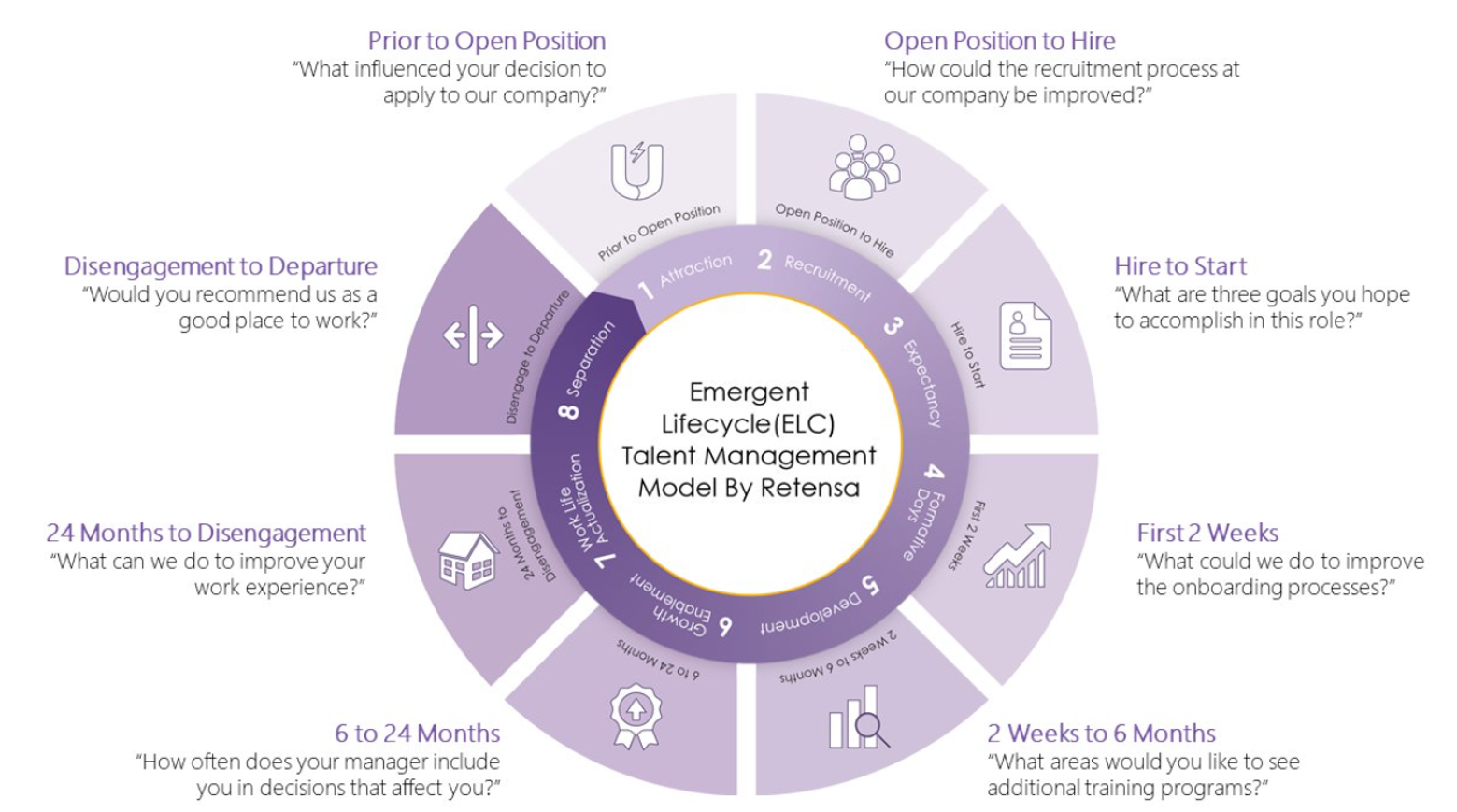
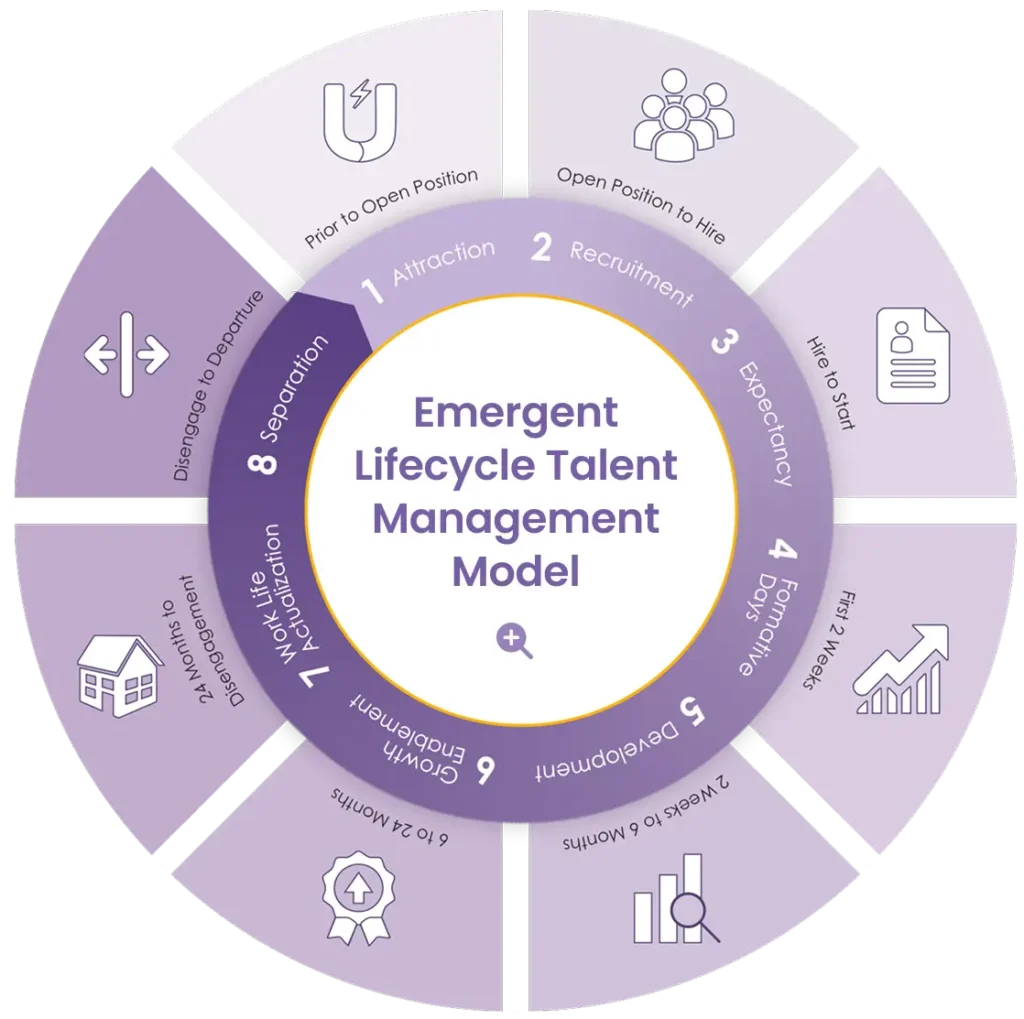
Pharmaceutical companies create consumer loyalty by promising to improve quality of life. The same approach is becoming adapted as one of the most effective workforce talent management strategies. “Firms that do not align employee and firm needs increase the likelihood that employees will leave and leave less talented employees behind to finish the job.” – Chason Hecht, President, Retensa The greatest impact on the cost of doing business in the past 20 years has been employee turnover. Losing top talent to the competition has pushed firms to dramatically restructure their hiring, on-boarding, and knowledge-sharing processes. Most organizations are still struggling with what to provide to their employees to build loyalty. In the 1980’s, employees looked for performance pay. In the 1990’s, employees looked for job security. Employees need change as society changes yet there has always been one common theme: employees are always looking for something more out of their job. Halfway through this decade, employees clearly want quality of work life. At first glance, the term “quality of work life” may seem unclear. But if you look closer, you may realize you already have the answer. Improving the quality of life is a fundamental principle of the most successful pharmaceutical companies of our time. In fact, customers’ “quality of life” is in the mission statements of Pfizer, GlaxoSmithKline and Merck. When thinking of retention, it is this same mission that transcends to your employees’ quality of work life. When you think about improving the quality of life for your customers, what do you picture? Someone who lives optimally, achieves their goals and reaches their full potential? Now envision your employees in those terms. Are your employees reaching their full potential? From the job posting to the exit interview, there are a finite number of points of contact in the employee-firm relationship. It is important to recognize that your company only has these points of contact to build a productive relationship with an employee. Not making this connection leaves the employee-firm relationship to chance where they may, or may not, be engaged by what they do and inspired by who they work for. Employee turnover occurs over a series of breakdowns in the employee-firm relationship at these points of contact. Fortunately there are hundreds, and so a company has ample opportunity to make up where they may have fallen behind. With this new perspective the employee-firm relationship has new meaning, clear opportunities and unyielding strength. Quality of work life is one key to unlocking the door to employee retention. By improving the quality of work life, employee’s needs, wants, and expectations are aligned with the company’s. Firms that do not align employee and firm needs increase the likelihood that employees will leave and leave less talented employees behind to finish the job. In the highly regulated pharmaceutical industry, jobs have become more stressful and complicated. Although the pharmaceutical industry has lower turnover rates compared to other industries, the cost of turnover is much greater. With strict regulations and rigid timelines, a research specialist’s resignation leaves your company with a delay in product development and a loss of talent to competitors. Additionally, when a pharmaceutical representative leaves, they take the company’s relationship capital with them. These stringent regulations leave employee actions vulnerable to repercussions from their boss, the government, and sometimes even the media making retaining talented employees invaluable. In order to retain your employees and combat turnover a proactive strategy is critical. We cannot tell you what to do because every pharmaceutical firm is unique, but we can tell you how to do it. The following is a guide on how to understand and capitalize on your employee-firm relationship. First, we will begin by discussing the potential causes and signs of turnover. Next, we will focus on key opportunities to build loyalty, then gathering feedback and finally, the forming of solutions. You might already address some of these issues, or you might have attempted to address these issues but did so without achieving results. Regardless, it is important to keep in mind that every time an employee leaves, estimated costs to your company can range from 50% – 300% of their annual salary to replace them.
Recruit to Retain: How the Hiring Process Can be Your Most Effective Retention Strategy

Hiring the right person for the job is crucial in a small business. Here’s what you need to know before, during and after the interview.
“Would you hire all of your employees again?” Unfortunately, a lot of business owners would say no. Hiring right the first time is one of your most important tasks, and the last thing you want to do is hire the wrong person – or hire the right one who winds up leaving for a better job.
Supervisory Approaches Impact Voluntary Turnover

Leadership styles impact employees’ attitudes toward your company.
Supervisors may not realize that they wield powerful influences on their employees’ attitudes toward your company. A lack of dialog in this relationship can influence competent employees to leave.
Work/Life Initiatives Impact Employee Retention

Work/life programs can be used as retention tools for organizations, but many miss out.
Sometimes it seems 24 hours per day is not enough to tackle work and personal tasks. Sound familiar? Both employees and employers realize that, in the modern lifestyle, work and family matters have converged. Many firms have instituted hotlines, programs, or even software to ensure that these conflicts do not diminish the quality and productivity of employees’ work.
Employer Branding for Proven Marketing ROI

Brand Management is valuable in the labor market too.
Corporations will spend billions of dollars marketing their products and services. The cost per client acquisition can be as low as $20 to $50. However, there is an audience that may be ignored: employees, with a cost per hire that may range from $20,000 to $50,000.
Ineffective Ways of Engaging Employees

Engaging employees in desired work-related behaviors: focus on strengths.
In a recent survey the Gallup Organization found that 58% of respondents cannot say, “I know what is expected of me at work.” Clarifying how an employee’s position and performance relates to the organization’s goals allows employees to grasp how their roles directly impact the organization’s success.
Attracting and Retaining Human Capital: Developing Strong Leaders

Trust, between leaders and employees, is an often overlooked element of retention strategies.
Employees’ trust in leadership is predicated on their faith that leaders will exhibit honesty and meet their expectations. If there is disconnect or friction between a leader and his direct report, that tension can lead to a host of negative consequences.
Corporate Governance: Ethics is a Boomerang

Ethical behavior is essential for attracting and retaining employees too.
An organization’s reputation is based not only on its financial fidelity, but also its fair treatment of its workforce. Employees start learning expected behavior well before orientation and this process continues throughout an employee’s tenure.
Your Companies Have Merged. Which Executives Will Stay?

The success of Mergers & Acquisition is dependent upon retaining the right executives. The executive level focus is often overlooked because the drivers for a new corporate culture are based upon the collaboration and integration of both human resource structures, but if HR is colliding, they aren’t driving.